

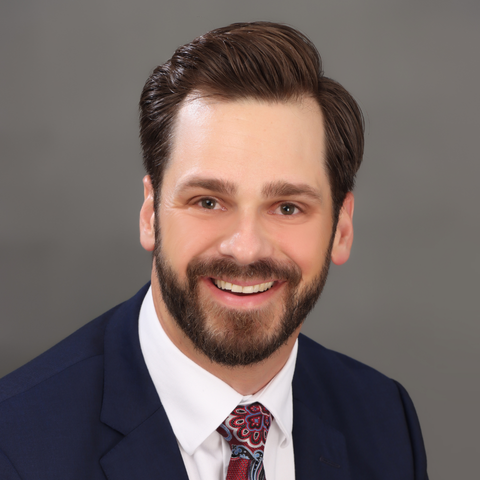
Joe Bippert is the U.S. Wheat Associates (USW) assistant regional director for South and Southeast Asia. This year, he escorted grain buyers from the Philippines, Thailand, and Indonesia to attend the Grain Procurement Management for Importers short course at the Northern Crops Institute (NCI). USW talked with him about the long-term value of the course in building expertise within the region and how it helps fortify trade relationships with the United States.
Tell us about the participants you brought to this year’s NCI grain procurement short course.
We had everyone from managing directors to business development to new procurement managers. It was a really diverse group of people – some had more technical expertise, some had more purchasing experience.
All of the members of this group were fairly new in their roles, but not necessarily new to the milling industry or their company. Some of them probably took their first steps at the mill, but now, as they’re graduating from college, they are stepping into more of a leadership role. So, it’s time to learn the things that are needed to keep the mill profitable.
It really made for a lot of great questions asked, bringing each of their unique perspectives to make for a really robust discussion with presenters and instructors.
What did the participants gain during their time in Fargo?
By having access to PhD-level professors who are experts in managing risk, they were able to ask questions specific to their own operations. They also gained a better understanding of the flexibility that the U.S. marketing system offers to help keep their businesses profitable or manage their risk appropriately as they buy from the U.S.
Following the main part of the short course, your group traveled to meet with the grain trade and supply chain in the Pacific Northwest. Why was this important for this group of buyers?
The course participants would typically go to Duluth and visit the export trade. That is not really where the wheat these participants buy comes from, so our idea was to attend the course and then take them to the Pacific Northwest to see the facilities where their ships are being loaded and look at the river system that the wheat they buy is going down. This extra piece exposes them to the supply chain that they’re working with.
They also had the chance to meet growers, engage with them and get a better understanding of why we focus so much on value as opposed to just price. The whole course is about managing risk, but it’s also about getting the quality that you need in order to market to their customers. So having a better understanding of the wheat breeding, the quality testing that happens with every crop and the buy-in that farmers have into those programs is really important for them.
What is the lasting impact of this course on participants’ careers and relationships?
Now it’s time for them to take what they learned and bring it to their team and their management strategy. How does this change my outlook? How does this change how I make my decisions? This also opens up a narrative with a group of people from the course to ask questions. They know there’s a team of resources out there that are willing to support them, so that’s what we hope to continue to do as they navigate through some of the nuances and how it relates to their businesses.
How does participation in this course benefit trade with the United States?
The value of having those experts on hand – on the quality side, the breeding side, the economics, the grain markets. The course had a lot of experts who weren’t trying to sell them something, but just trying to provide them with as much information as they could. That is the real value of what we do at USW – we feel that knowledge is power and providing them with as much knowledge as we can puts us in a more competitive position.
Read the full story on the NCI Grain Procurement Short Course and explore other Q&As from this activity here.