
Selling wheat to a customer overseas is only one step in the journey of long-term market development. After the sale, U.S. Wheat Associates (USW) works with staff in flour mills around the world to make sure they are getting the most value possible out of these purchases, often by providing direct technical assistance to help maximize flour extraction and other outcomes when mills use one of the six classes of U.S. wheat.
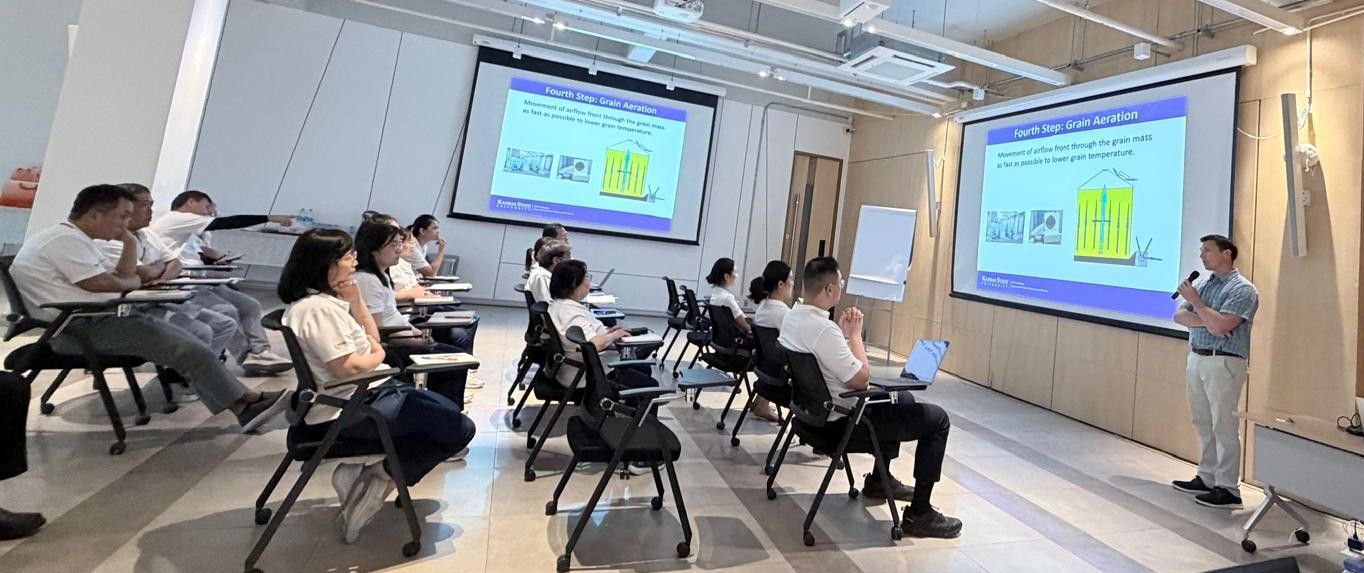
U.S. Wheat recently brought Shawn Thiele, flour milling and grain processing specialist and associate director of the IGP Institute at Kansas State University, to Thailand to lead a series of technical mill consultation visits. Joined by USW regional staff, these engagements provided a platform for in-depth discussions on key aspects of mill operations, focusing on efficiency, consistency and overall performance across facilities.
“Technical mill training remains the most frequent request we receive from customers when discussing how U.S. Wheat can support their operations,” said Joe Sowers, USW vice president for South and Southeast Asia, who assisted with the consultations. “The May consultations delivered strong momentum in deepening industry collaboration, showcasing how technical expertise and innovation can drive meaningful advancements in milling performance, product quality and the long-term evolution of Thailand’s milling sector.”
These consultations come as mills in Thailand are under constant pressure to improve efficiency, maximize flour extraction rates and maintain consistent flour quality as margins tighten and raw material costs fluctuate. Thiele was able to spend time explaining the importance of regular practices like checking break releases or maintaining a routine maintenance schedule for equipment – both of which directly impact profitability.
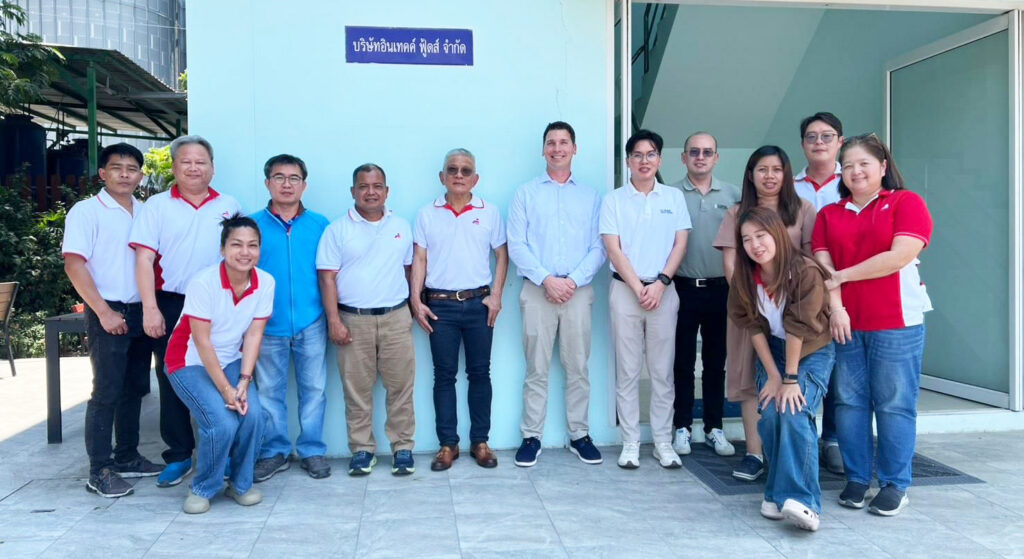
At the same time, USW regional technical staff explained there is a generational shift in Thailand, meaning there are new milling staff who benefit from additional training and professional development.
“This activity delivered practical, plant-level training focused on improving operational efficiency, product consistency and workforce capability, particularly for newer or expanding facilities,” said Ivan Goh, bakery, biscuit, and noodle technologist for South and Southeast Asia. “This approach is especially important in Southeast Asia, where mills vary widely in equipment, staffing and operational maturity.”
In addition to individual mill consultations, U.S. Wheat conducted a technical milling seminar, featuring Thiele as a presenter, that brought together millers from across the country. These discussions covered global wheat supply and demand dynamics, evolving wheat-based food trends in Southeast Asia and the current market situation and outlook in Thailand.
The seminar also provided participants with deeper insights into wheat classes and characteristics, the factors influencing wheat quality and the consistent value and performance of U.S. wheat across a wide range of end-use applications.
The seminar was well-timed as the Thai mills had just booked 114,000 metric tons (MT) (4.19 million bushels) with an estimated FOB value of $33 million the week prior. Sowers, along with regional director Joe Bippert helped contextualize the current supply and demand situation and potential implications related to the impact of drought conditions on U.S. wheat supply and pricing.
“Our market update highlighted the continued opportunities for wheat-based foods, providing a more complete picture for decision-makers across both operations and procurement,” Bippert said. “A key takeaway from the mills was the importance of proactive purchasing. Following USW’s analysis and discussions, several mills moved forward with bookings ahead of the release of the monthly USDA supply and demand report, proving beneficial as there was a price increase following the report’s release.”
While Thiele, Sowers, and the rest of the USW staff were busy, the work is far from over. The USW team in South and Southeast Asia will continue to monitor progress as the Thai mills begin implementing adjustments. U.S. Wheat will continue to work directly with these customers to track their improvements, identify further opportunities and cheer on international customers during ongoing trade and technical service visits.
“Ongoing engagement ensures that learnings translate into measurable improvements in mill efficiency and profitability over time,” Sowers said. “Even small gains in milling performance can have a meaningful financial impact, improving margins by generating additional saleable flour from the same volume of wheat.”