
For Emeka Ibekwe, understanding how different classes of U.S. wheat perform in pasta production could unlock opportunities to control manufacturing costs and develop new foods for Nigerian consumers. A training opportunity sponsored by U.S. Wheat Associates (USW) is helping him explore those possibilities.
Ibekwe, Technical Head of the Pasta Division at Olam, the second-largest flour miller in Nigeria, gained new insights during an October 6–9 pasta production course at the Northern Crops Institute (NCI) in Fargo, North Dakota. The program examined how wheat characteristics, ingredient functionality and processing techniques influence pasta manufacturing. It helped Ibekwe identify opportunities to evaluate blends of U.S. Hard Red Spring (HRS), Hard Red Winter (HRW) and Soft Red Winter (SRW) wheat to balance finished-product performance with raw-material costs.
It also introduced approaches that could support future product development for the Nigerian market.
“The course was highly valuable and provided practical insights that can be directly applied in our operations,” Ibekwe said. “The knowledge gained will support continuous improvement initiatives in our pasta manufacturing operations.”
By equipping customer personnel with specialized knowledge, USW aims to reinforce existing markets, compete more effectively with other wheat-exporting countries and identify new sales opportunities.
“Olam is a highly important customer for U.S. wheat, making it essential to maintain and strengthen this relationship through continued technical support and investment in their staff,” said Domenique Opperman, USW program and market specialist in the organization’s Cape Town office. “Supporting major customers such as OLAM through targeted training is therefore an investment not only in the customer relationship, but also in the sustained demand for U.S. wheat and the export revenue that benefits American wheat farmers.”
Turning wheat science into practical applications
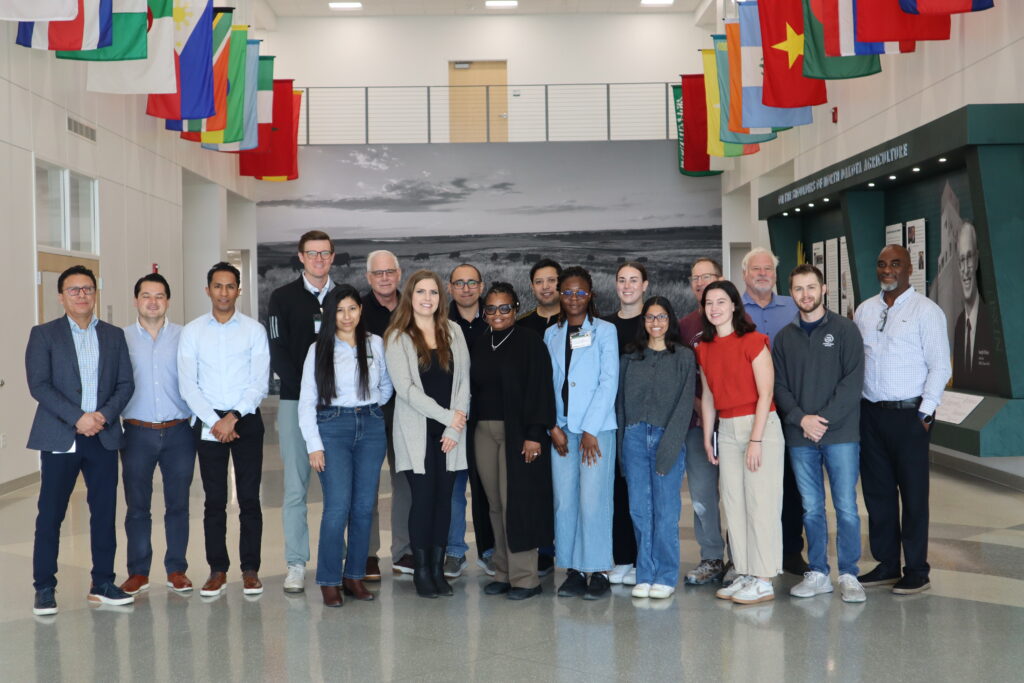
NCI actually hosted two concurrent courses during Ibekwe’s visit: Pasta Production from Multiple U.S. Wheat Classes, which Ibekwe attended, and a course titled, Gluten-Free & High Protein Pasta Production. Both courses brought together participants for classroom instruction, laboratory demonstrations and industry engagement. Instructors from the North Dakota Wheat Commission, Minnesota Wheat, North Dakota State University and the milling and food industries covered wheat classes, milling, ingredient functionality, processing techniques and nutrition. The courses came together at certain points during the week to gain additional pieces of information from instructors.
For Ibekwe, one session stood out: a presentation on high-amylose wheat and its nutritional and functional benefits. That session as led by Katie Harris, technical business and development manager with Bay State Milling,
“The most valuable topic for me was High Amylose Wheat: Formulating for Nutritional and Functional Benefits,” Ibekwe said. “It provided valuable insights into ongoing research aimed at developing more nutritious wheat-based products while maintaining desirable processing and quality characteristics.”
He was particularly interested in how high-amylose wheat could influence pasta’s cooking performance and texture. The knowledge could help inform future development efforts as manufacturers explore ways to meet consumer interest in nutrition while maintaining the characteristics people expect from pasta.
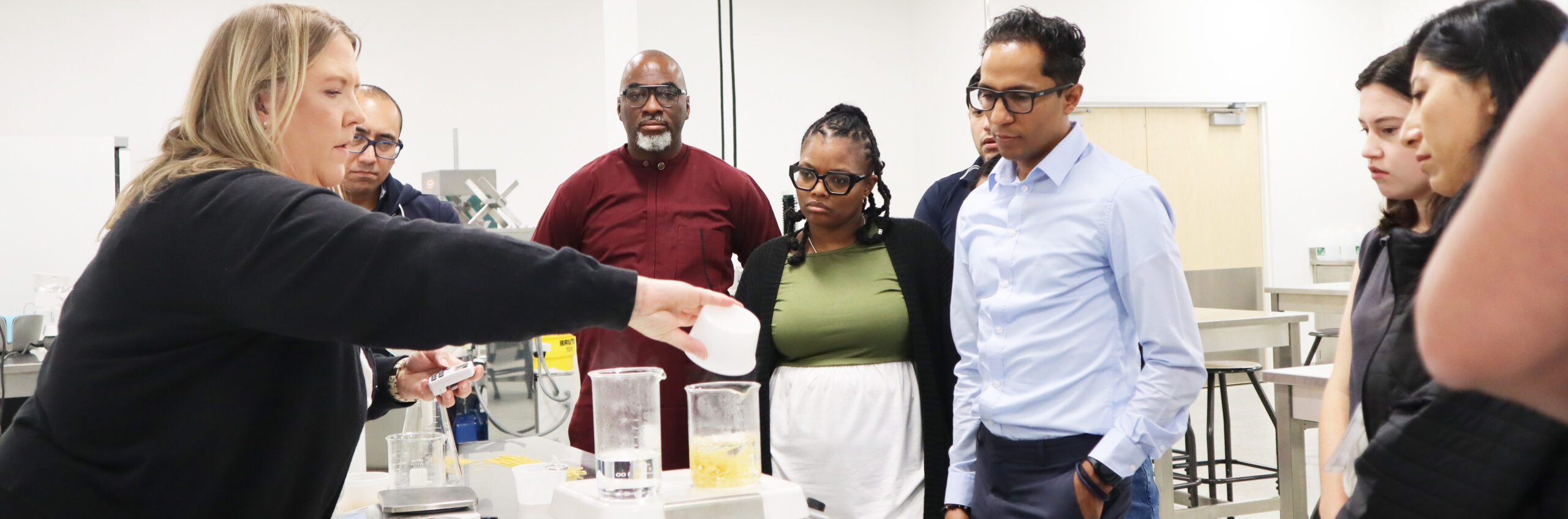
Hands-on sessions led by Northern Crops Institute process project managers Rilie Morgan and Chris Cossette introduced participants to pasta processing equipment and techniques, including mixing, extrusion, drying and pasta press mechanics. A presentation on pasta die design and a tour of DakotaMB connected classroom lessons with commercial production.
Other sessions addressed formulation, food safety, cooking evaluation and quality assurance, providing a broader understanding of the factors that influence manufacturing efficiency and consistency.
Expanding opportunities in Nigeria
Ibekwe sees potential to apply what he learned beyond Olam’s current production lines. He said additional technical assistance in research and development could help the company investigate new wheat-based applications suited to Nigerian consumers.
Access to product-development expertise and market insights, he added, would help the company assess those opportunities. He also recommended extending future training programs to allow more time for practical demonstrations, related applications and in-depth technical discussions.
For USW, the opportunity is to help customers understand how different classes of American wheat can meet specific manufacturing needs. For Olam Agri, the knowledge gained in Fargo could inform production improvements and future product development.
Ultimately, the benefits could extend beyond one company or training program. Stronger technical relationships and new applications for U.S. wheat can help sustain demand in Nigeria, an important export market for American wheat farmers.