Southeast Asian Team Takes to the Road for Firsthand Look at U.S. Wheat Supply Chain
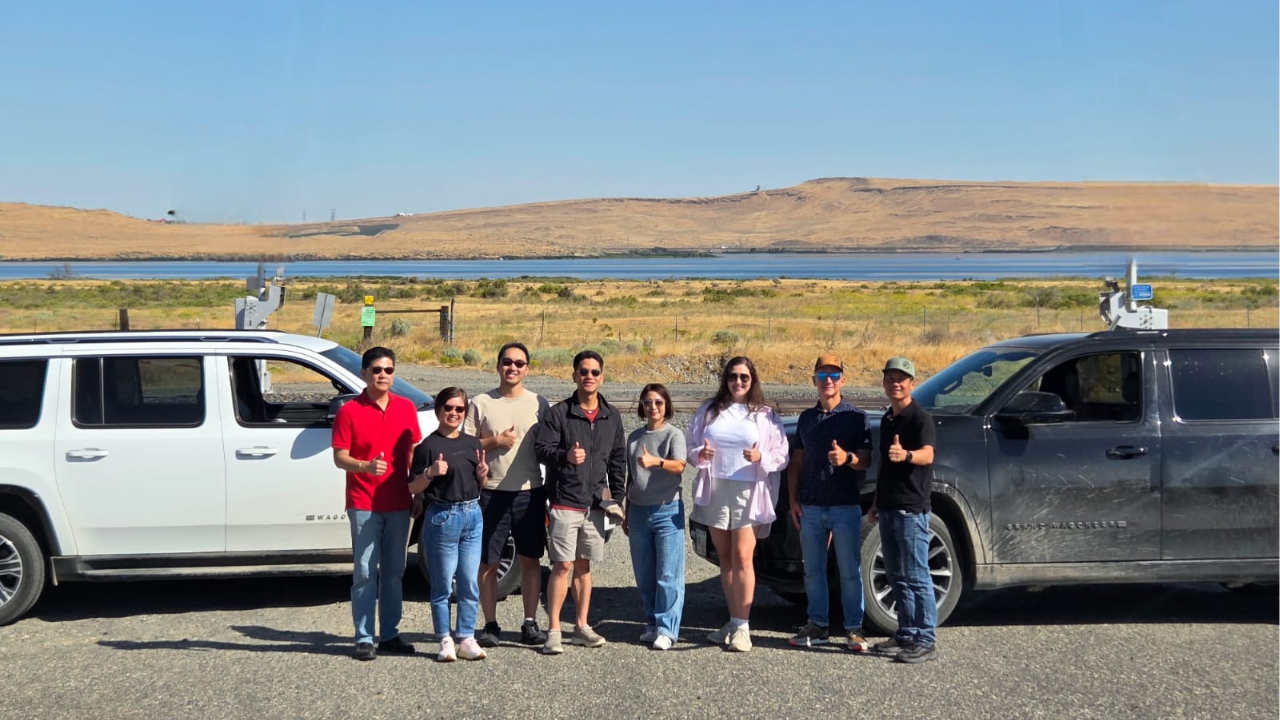
Six customers from four countries crossed more than 1,500 miles and clocked more than eight hours on the road daily in early August as part of a once-in-a-lifetime look at the U.S. wheat supply chain. The road trip provided the 2025 Southeast Asia Trade Team, organized by U.S. Wheat Associates (USW), with a panoramic picture of the U.S. wheat system from wheat breeding to harvest to export – and everything in between.
“Southeast Asia has grown to be one of the most important export regions for U.S. wheat, accounting for nearly a quarter of all sales,” said Joe Sowers, USW regional vice president for South and Southeast Asia, who accompanied the team. “This trade team provided USW the opportunity to illustrate the many ways the U.S. grain production and marketing system benefits the milling industry in Southeast Asia, helping to regain U.S. market share and build long-lasting trade relationships.”
From August 3 to 13, 2025, the team traveled to Montana, Idaho, Washington and Oregon. Team members included key players from major SEA markets, including the Philippines, Thailand, Indonesia and Vietnam.
With support from the Montana Wheat & Barley Committee, Idaho Wheat Commission, Washington Grain Commission and Oregon Wheat Commission – and plenty of time on the road together – the team met its goal of familiarizing participants with the mechanics of the U.S. grain industry and the myriad of resources available from the United States to help these milling executives maintain and improve the profitability of their businesses.
Perhaps even more importantly than any one piece of technical information, team members saw firsthand how farming is more than just a livelihood. Farming is a passion and a cherished tradition passed down through generations. Despite challenges with low farmgate prices, high input costs and labor shortages, farmers in each state took time during a busy harvest season to share why and how they operate with the team.
“Our trip vividly highlighted to me and the team just how dedicated U.S. wheat farmers are to their crops and their land,” said Catherine Miller, USW director of programs, who also drove a vehicle for the team. “This steadfast commitment was clear in every conversation we had; it was truly inspiring to witness.”
Travel along with the Southeast Asia Trade Team through the snapshots below.
Showcasing Montana Wheat Harvest and Grain Storage
The team from Southeast Asia first arrived in Great Falls, Montana. Falling back 14 hours or more from the local time in Manila and elsewhere in Southeast Asia, the team was jet-lagged, but ready to hit the road and start meetings the next day.
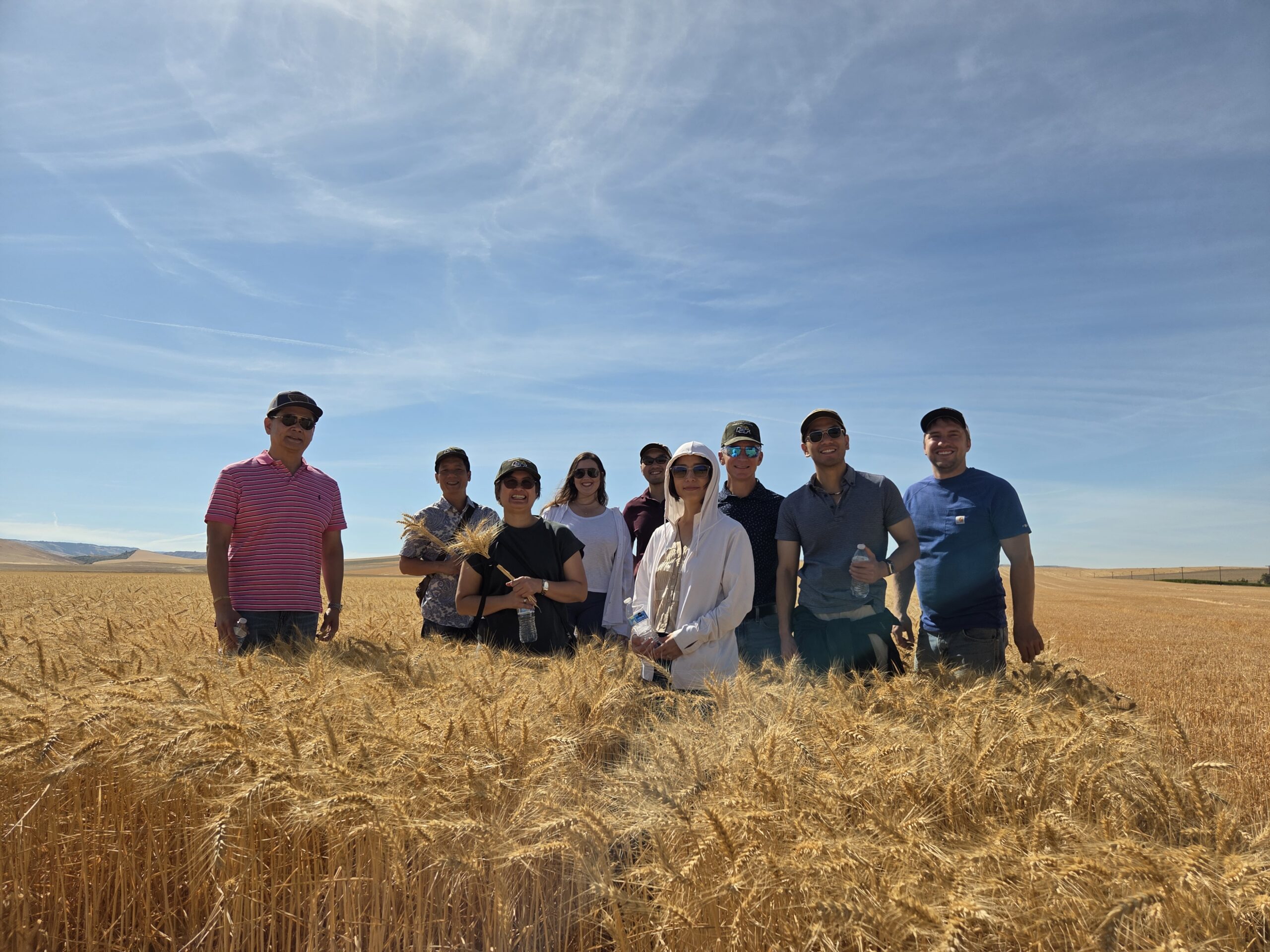
After visiting the Montana State Grain Lab in the morning, the team checked out recently harvested wheat being stored at a local elevator near Dutton, Montana, in ground piles. During a busy harvest season, U.S. elevators can safely store grain on the ground as bin space runs low. These piles are intended to be temporary solutions before grain is moved as transportation and storage space become available. This year’s Montana wheat harvest has seen its share of weather challenges, but ground piles are evidence that yields have been good in this area.
After seeing wheat at the cooperative, the team stopped by a harvest field near Moccasin, Montana. Here, the team saw firsthand the iconic “scenery straight from a screensaver” while discussing the growing season with local producers.
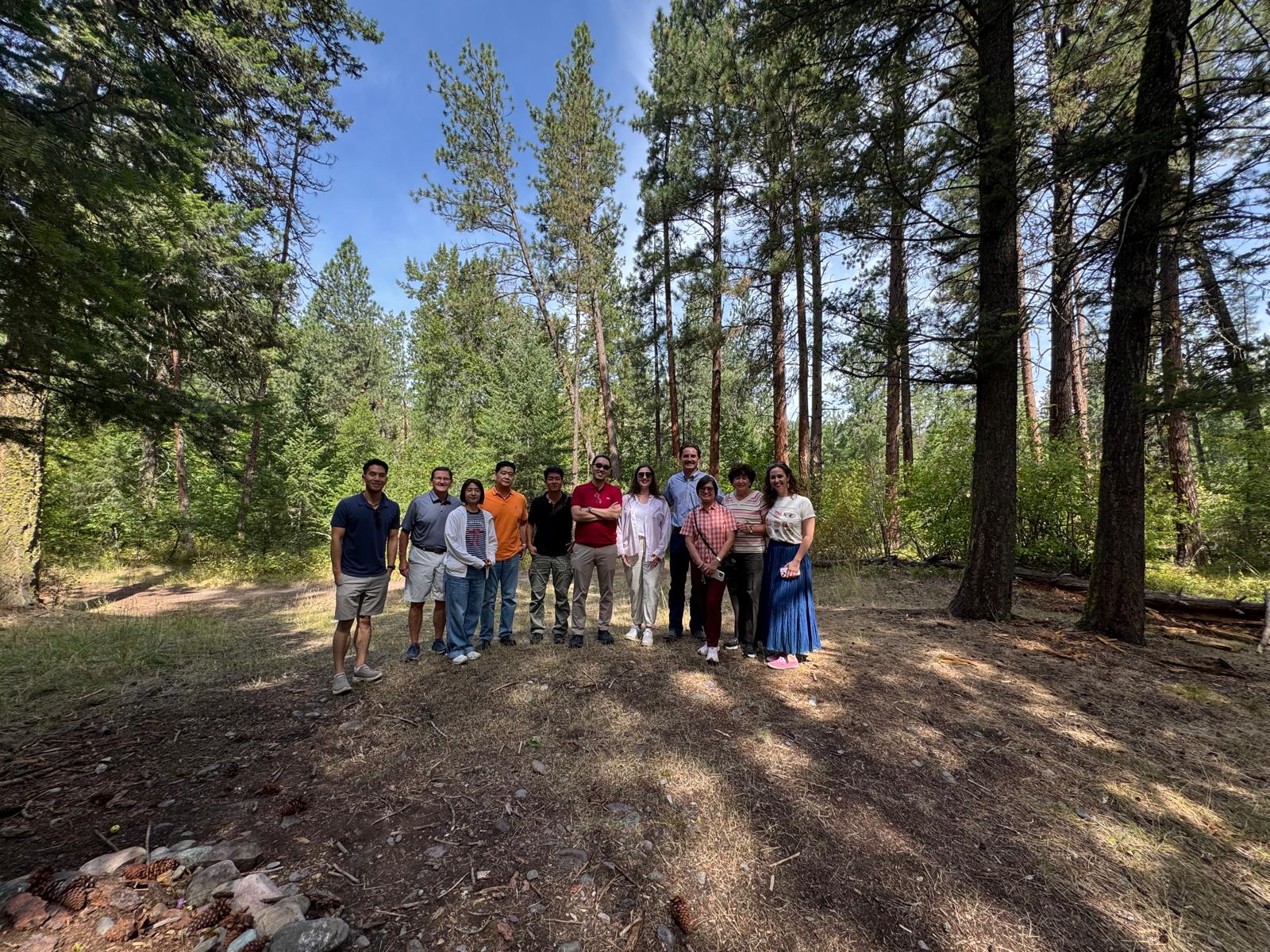
The last stop in Montana for the team brought home that USW and its state wheat commission members live their mission. Washington Grain Commission CEO Casey Chumrau and her parents hosted the team at the family home in Missoula for a pitstop on the scenic six-hour drive through the Rocky Mountains to Washington.
Washington Showcases the Science of Wheat
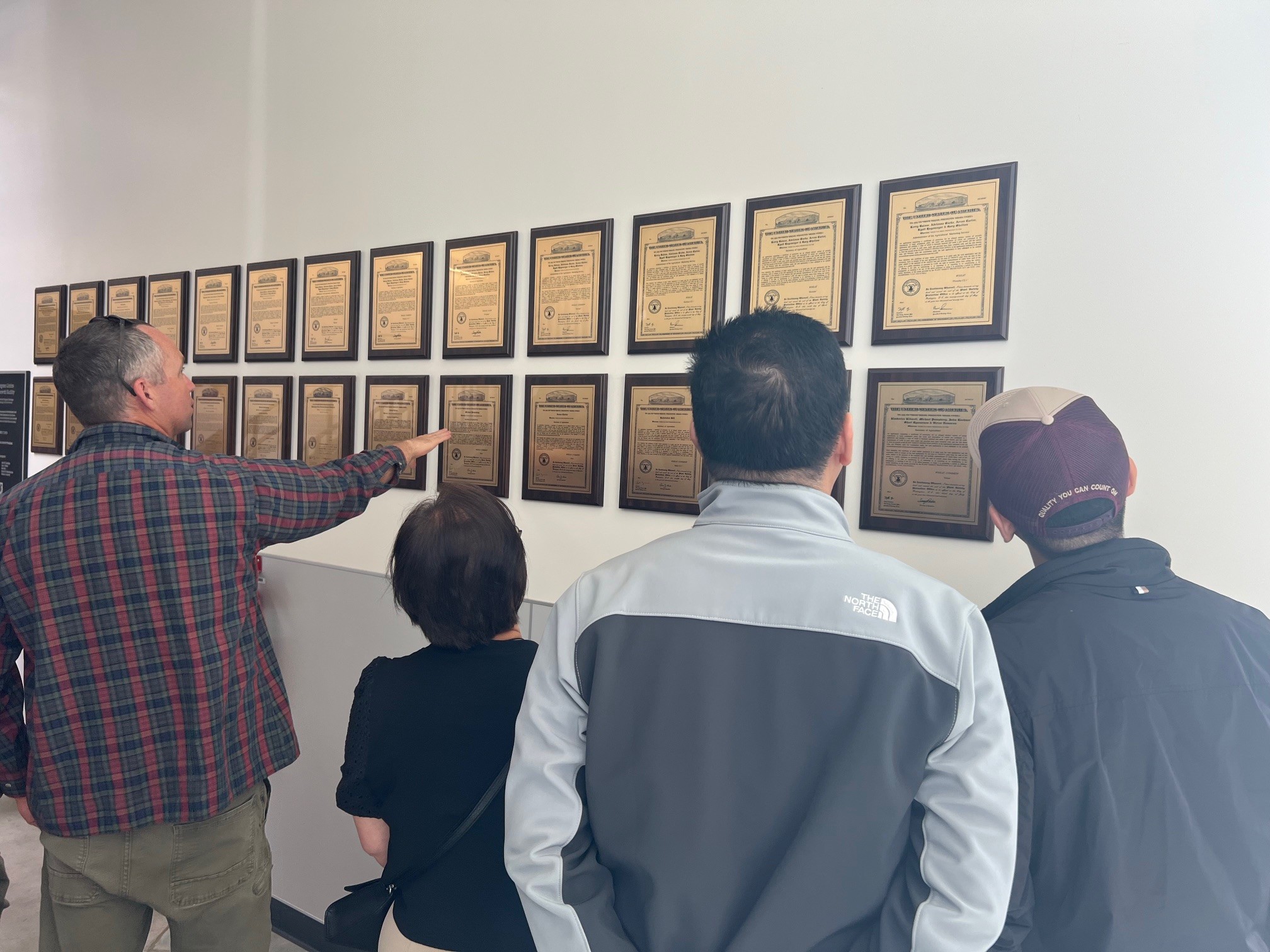
First up in Washington took the team back to the beginning – looking at test plots at the greenhouse for Washington State University and the USDA Agricultural Research Service’s (ARS’s) Western Wheat Quality Lab. Each plot in the greenhouse represents a careful selection process that takes into consideration yield, milling and baking quality, disease and pest resistance and a multitude of other traits.
For wheat breeders like Dr. Aaron Carter, each wheat variety released for production is a point of pride. Before a variety is ever planted in a farmer’s field, wheat breeders have selected and tested that line for 10 to 12 years.
Riding the River Highways in Idaho
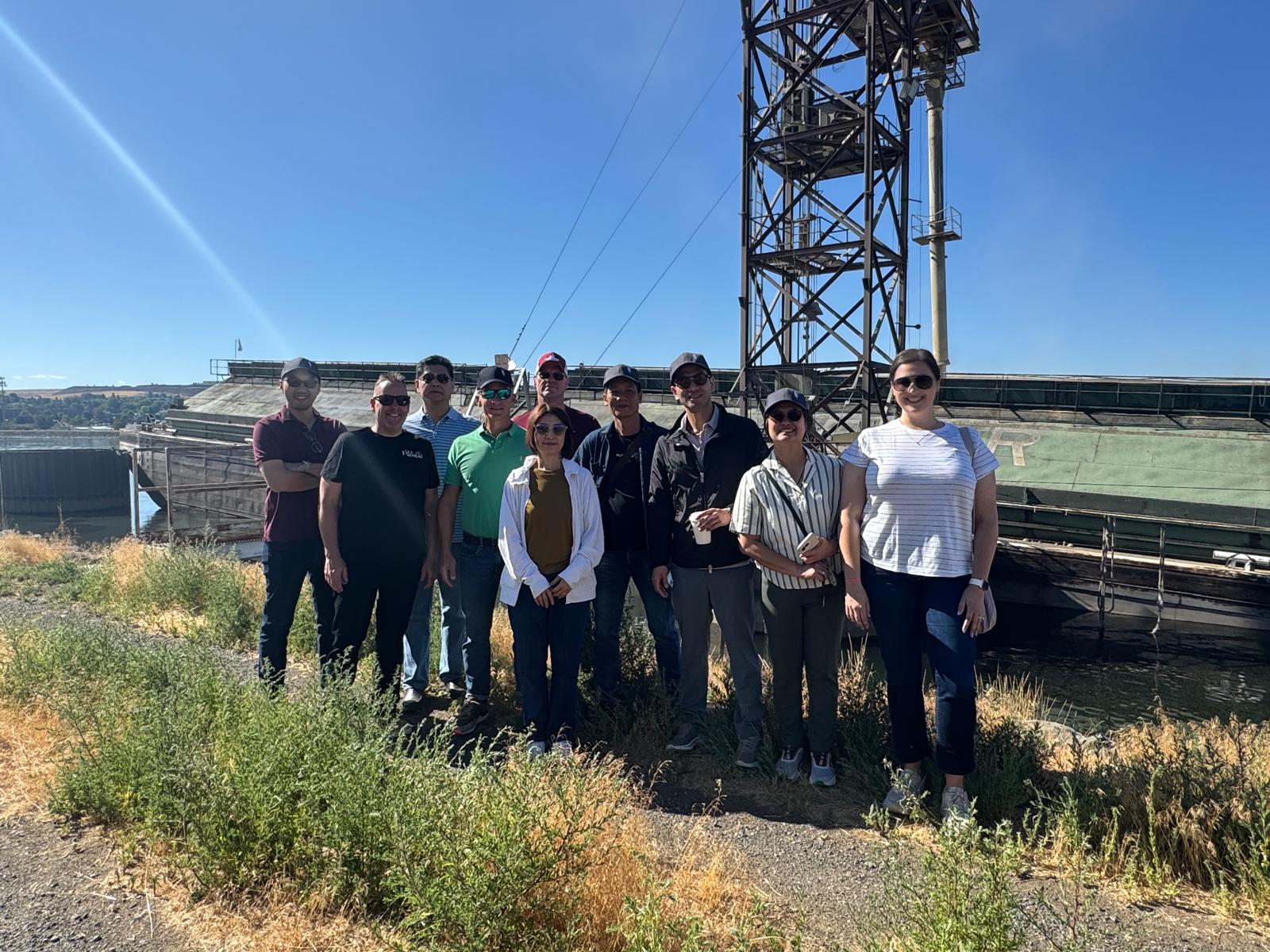
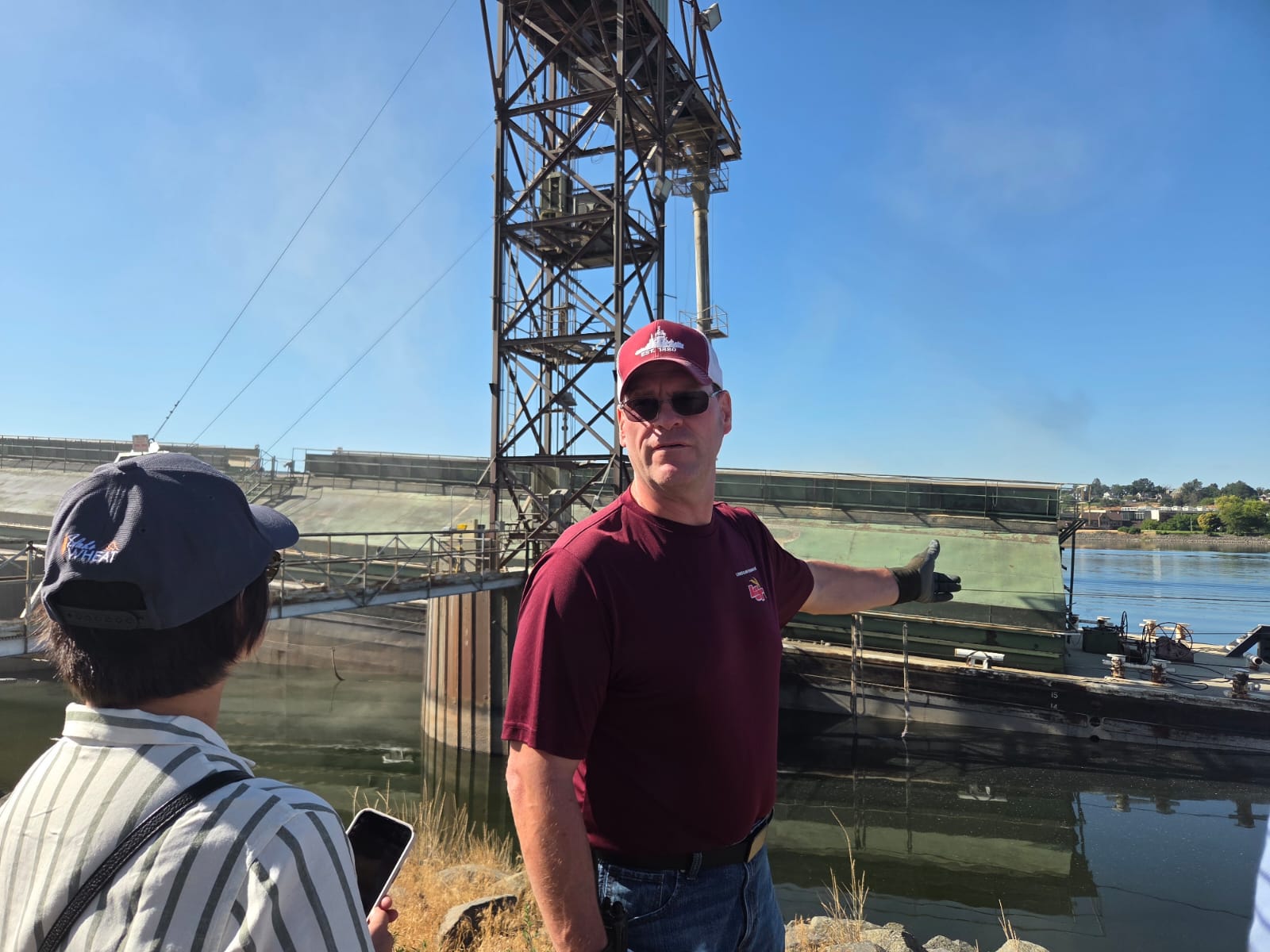
After a drive through the iconic Palouse from Spokane to Lewiston, the next stop was the Lewis-Clark Terminal, a major grain terminal at the Port of Lewiston in Idaho. This is the most inland seaport on the West Coast, located 465 miles from the Pacific Ocean!
At the Lewis-Clark Terminal, the team watched wheat being loaded onto a barge, a common occurrence at this time of year. This barge, along with others like it, travel down the Snake and Columbia Rivers to reach export terminals in Portland, Oregon, and Vancouver, Washington. From there, the grain can be loaded on to ships and sent to overseas markets, including the home countries of these team members.
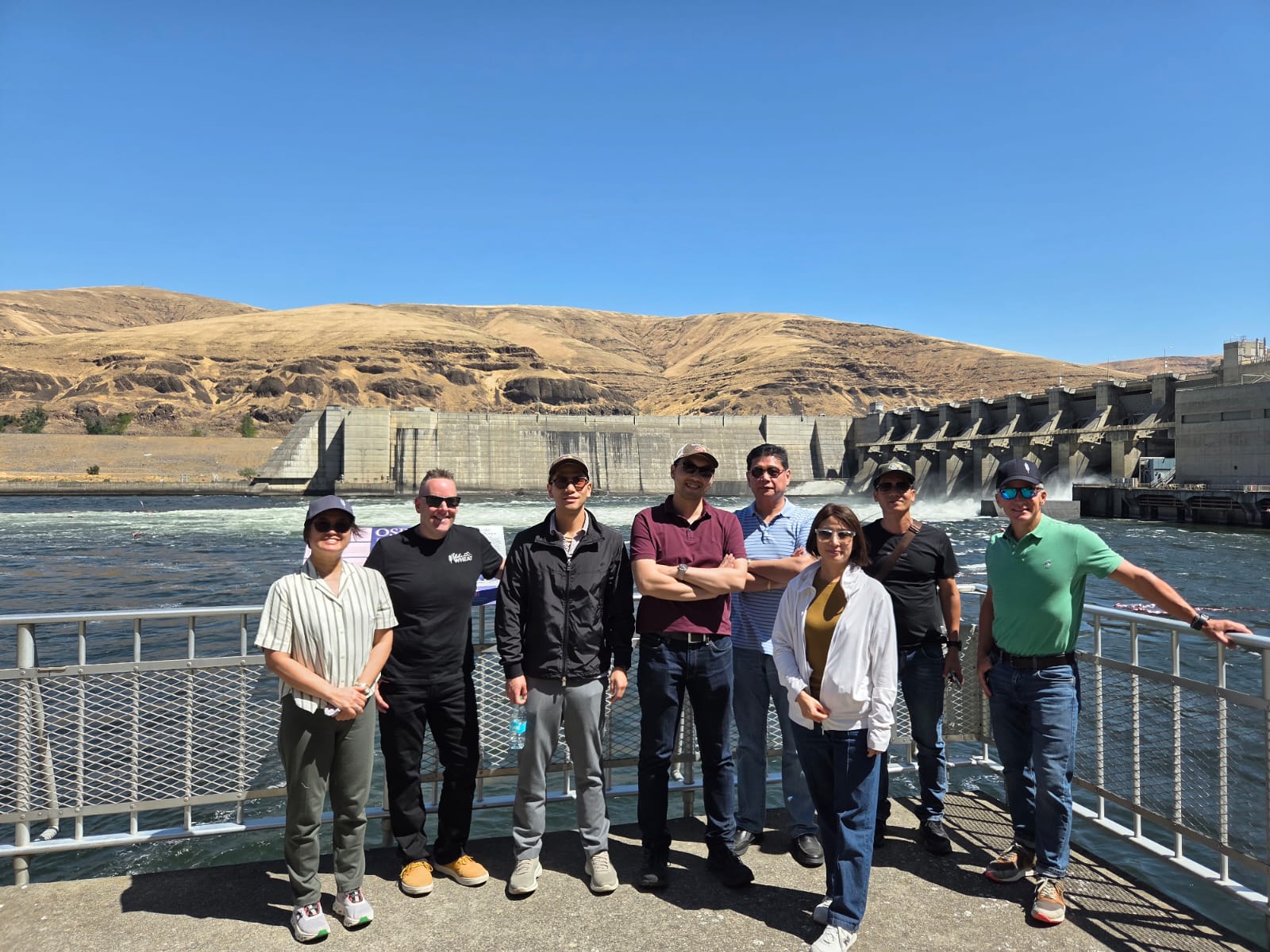
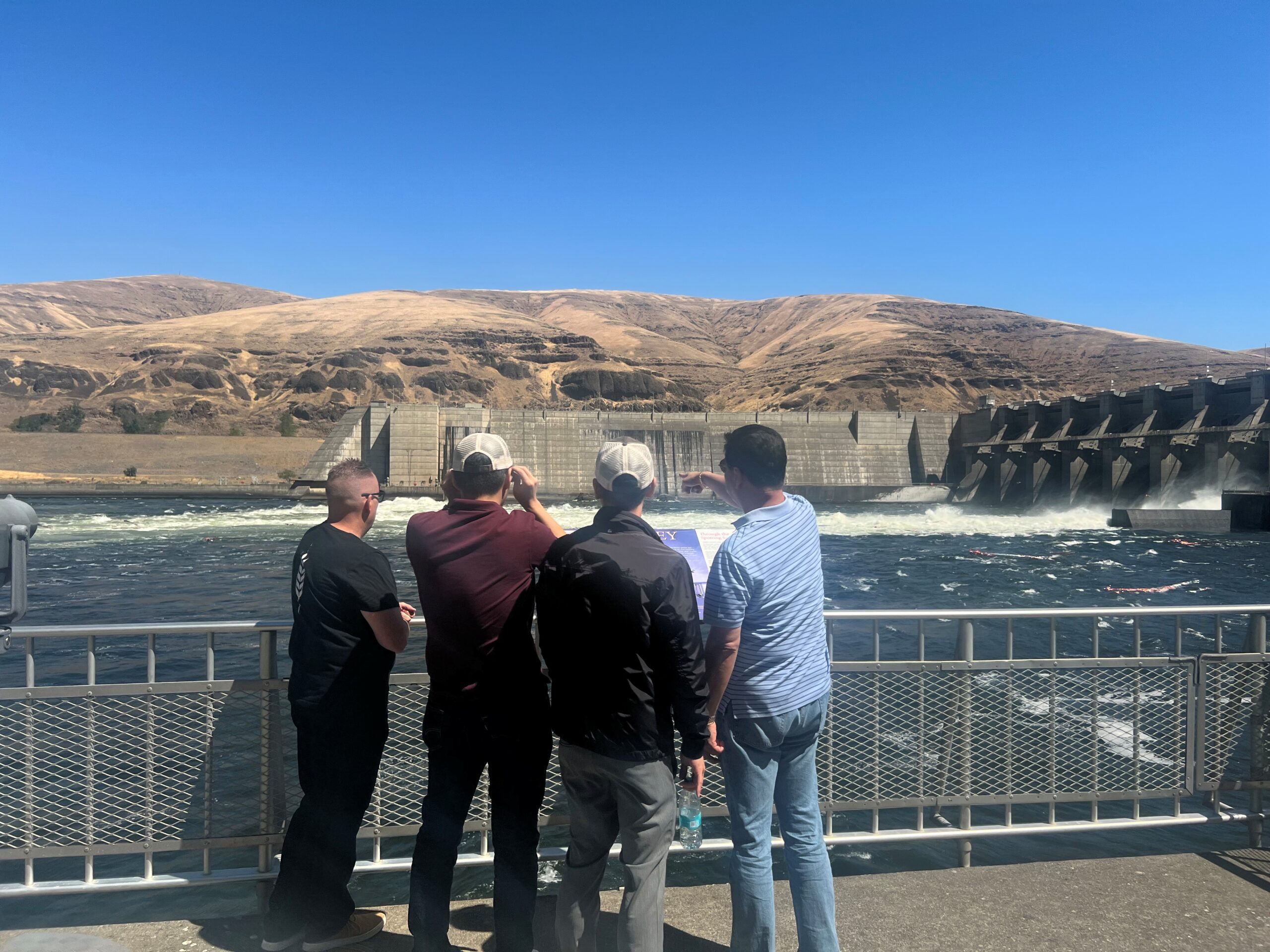
The team later stopped at the Lower Granite Dam. This dam is one in a series of four dams that are part of the larger Columbia River Basin system – a system of locks and dams that create a “river highway” that allow barges to transport wheat from inland farms to deep-water ports on the Pacific Coast.
The team even was lucky enough to catch a barge moving through the lock system. Later on the same day, the team saw the same barge being loaded with grain. Each barge can carry the equivalent of 35 rail cars or 134 trucks – making barges a highly efficient and economical way to move bulk commodities like wheat.
Connecting the Dots from Farm Equipment to Final Voyage in Oregon
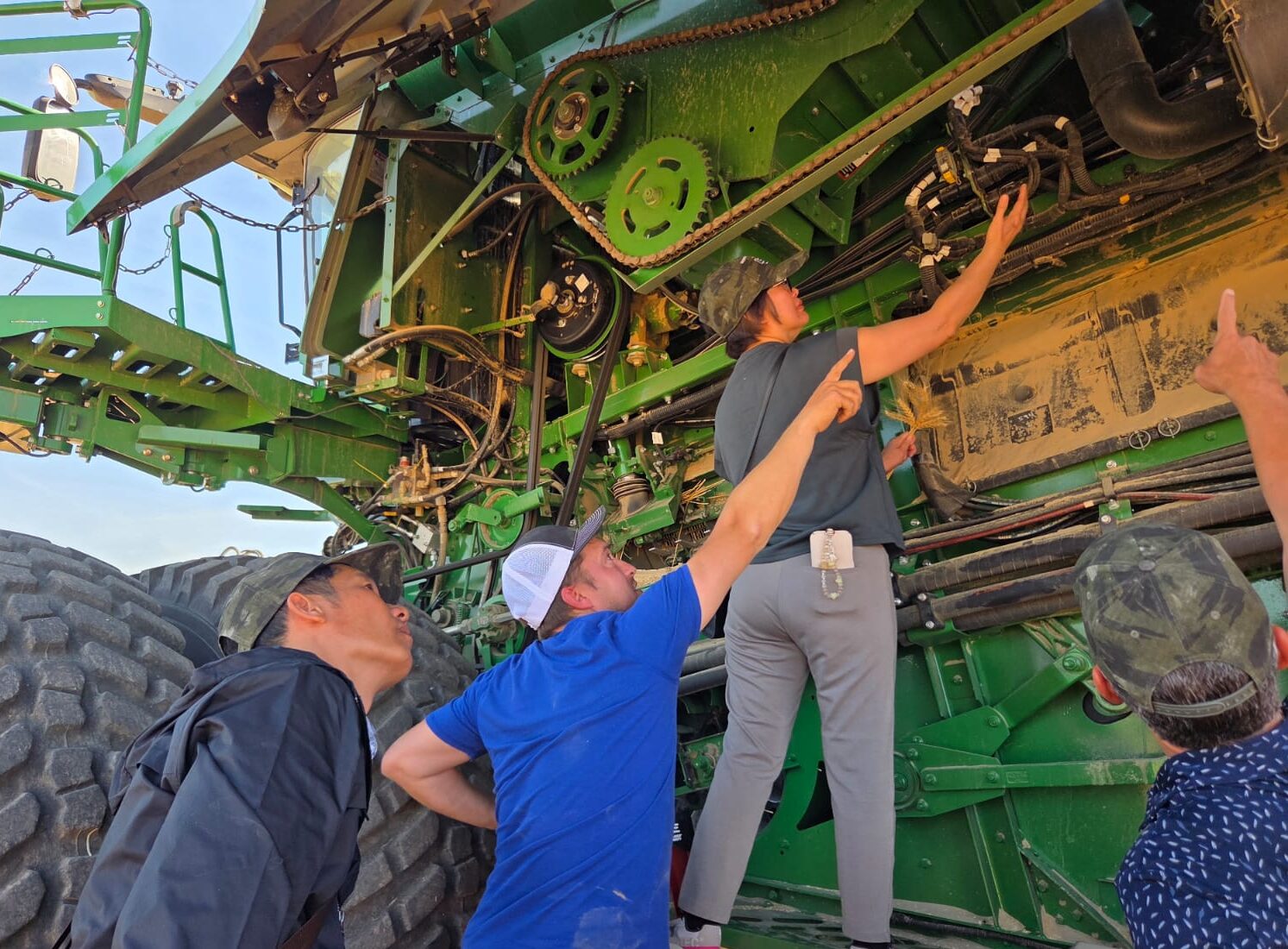
After a day of rest and meetings in Pendleton, the team headed back to the harvest fields with a renewed sense of interest in how wheat moves from field to port. Farmers in each state took the time share how each piece of equipment fits into the wheat harvest process – starting with the inner workings of a combine.
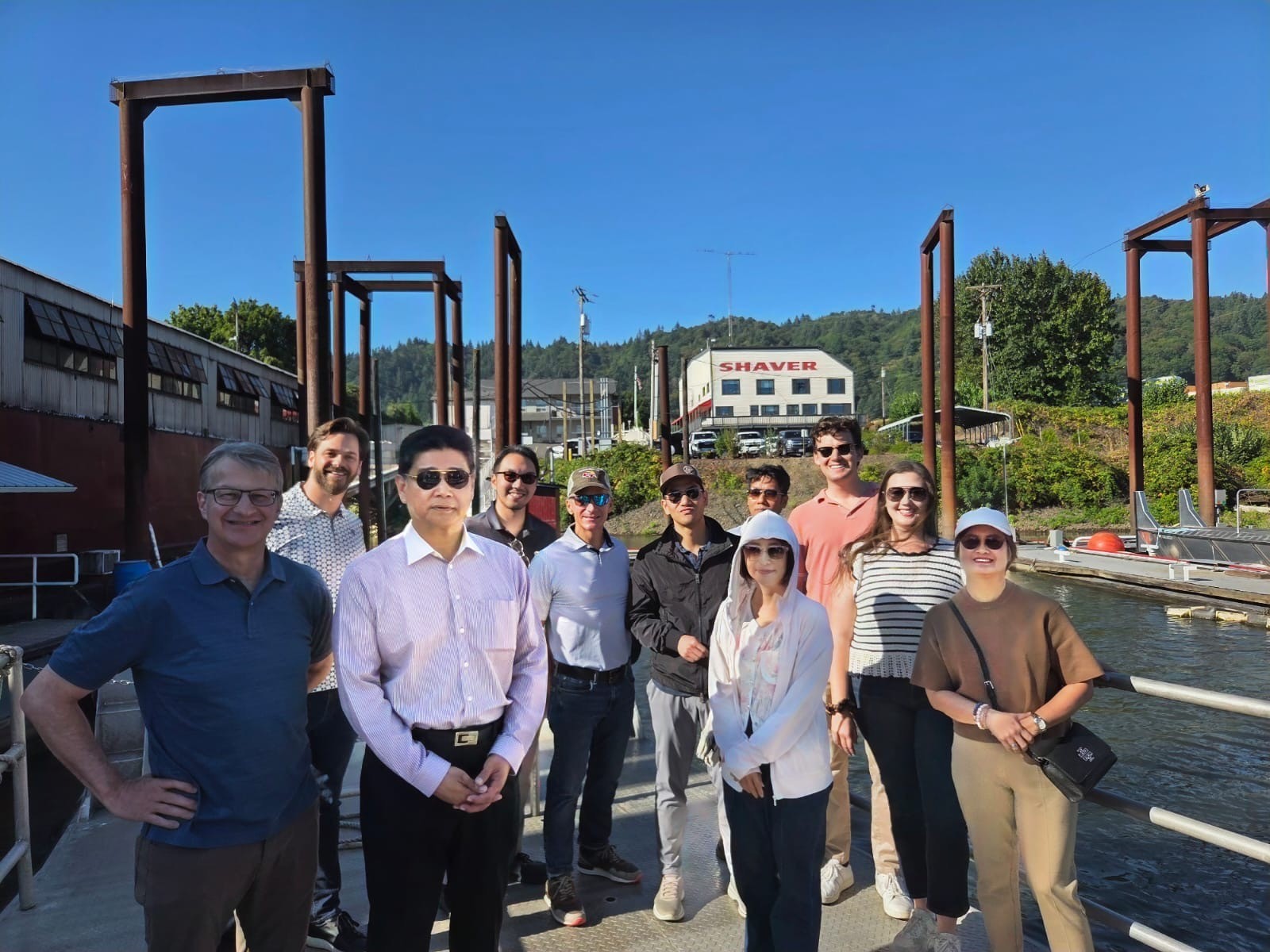
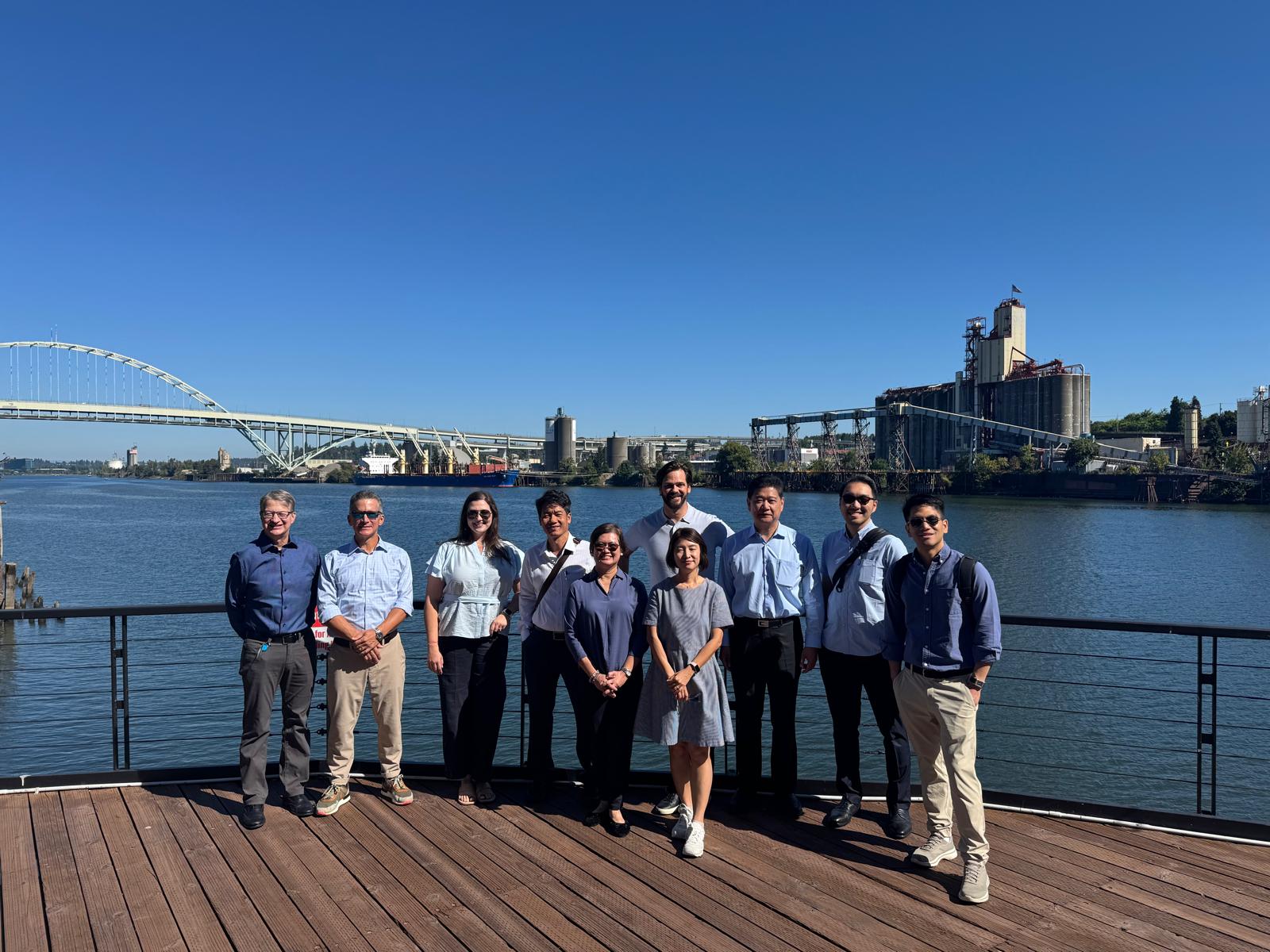
After briefings in the USW West Coast Office in Portland and visits with the Wheat Marketing Center, the Pacific Grain Export Association (PGEA) and USDA Federal Grain Inspection Service (FGIS), the team left the office to meet up with Shaver Transportation. The family-owned company operates a fleet of tugboats and barges on the river system, many of which the team followed on the trip from Lewiston. The company took the team out on the Columbia River on a boat to see a barge-eye view of the various elevators and loading facilities along the river.
The Southeast Asian milling delegates departed Portland for their home markets, taking back with them not just stories from an epic All-American wheat road trip, but valuable insights gained from each stop made along the way. Relationships made, knowledge gained and the building blocks for expanding markets for U.S. wheat farmers laid along the roadways and rivers traversed as a team.