
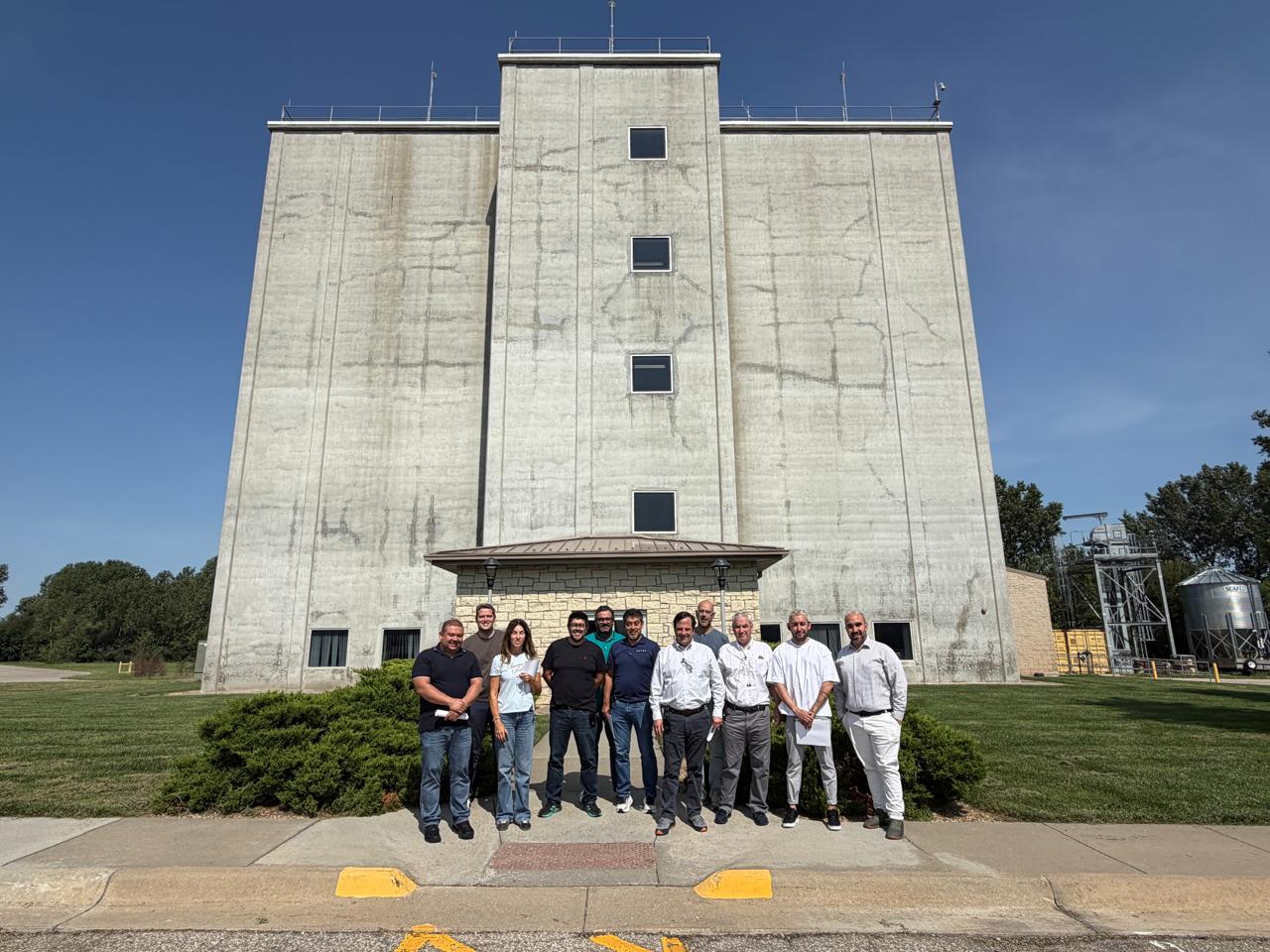
Sharpening a competitive edge matters for new leadership in any industry, but moving up in a flour mill requires more than just business acumen; leaders have to understand the ins and outs of the grain that goes into the mill. The Buhler–KSU Executive Milling (Spanish) course at the IGP Institute aims to close that strategic gap between executive decision-makers and technical knowledge.
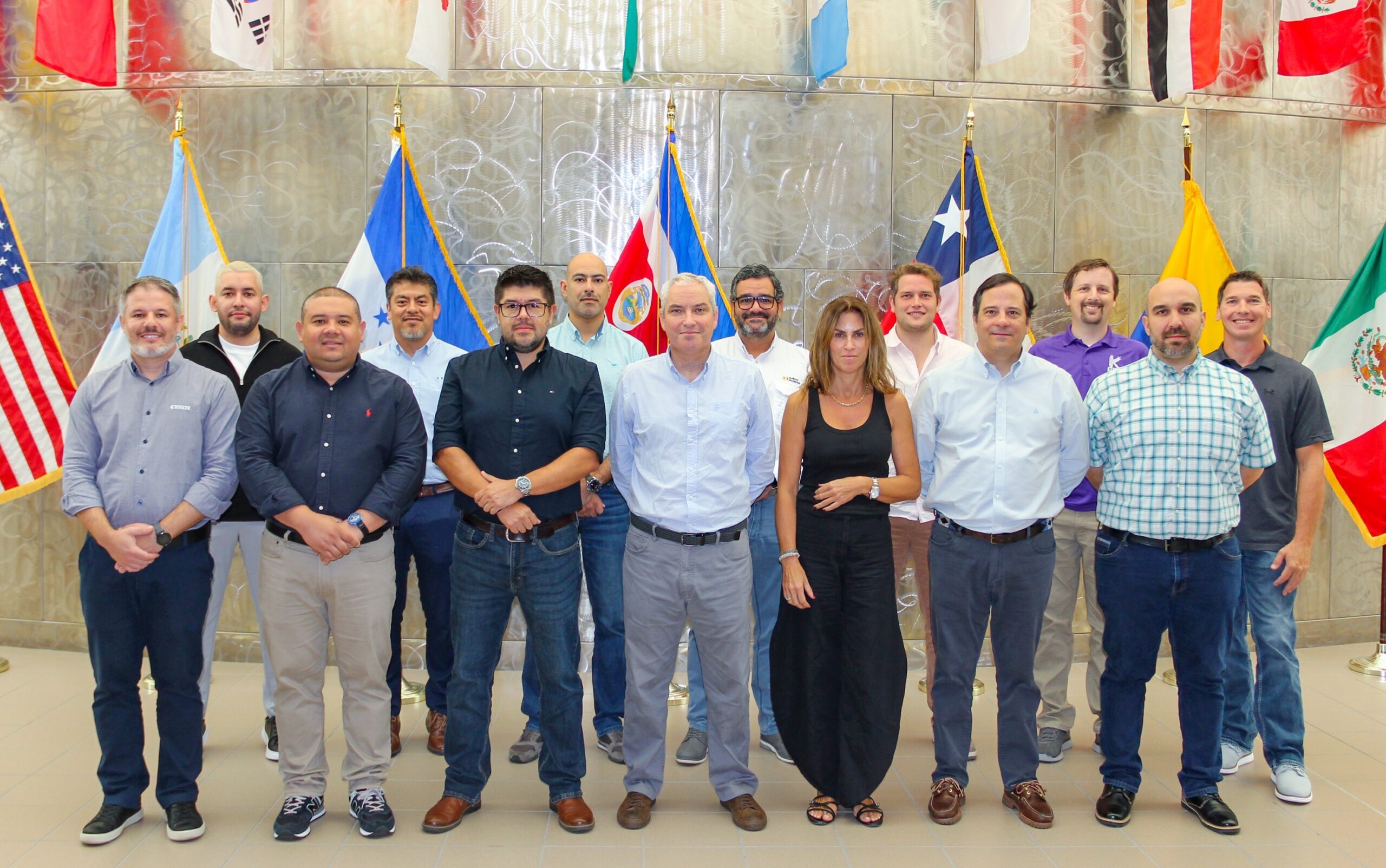
The 2026 course gathered 10 milling executives from seven countries on the north campus of Kansas State University in Manhattan, Kansas, in mid-August. U.S. Wheat Associates (USW) sponsored two participants from South America to attend the Spanish-speaking course.
Balancing Milling Science with Better Purchasing Decisions
Led by Shawn Thiele, milling specialist and IGP associate director, the course was developed for mill owners, directors and managers. As a result, the course is specifically designed to provide a strong understanding of flour milling without getting too technical. The course provides enough technical knowledge to help participants understand how the milling process affects product quality and performance, while focusing on the key concepts that support strategic and operational decision-making.
“The program helps participants understand the relationship between wheat characteristics, milling performance, flour quality, and final product functionality,” said Andres Saturno, technical manager in the USW Santiago Office, who accompanied the two USW-sponsored participants. “It also emphasizes that selecting the right wheat is one of the most effective ways to prevent flour quality issues and process inefficiencies before they occur.”
To accomplish that goal, the course covers a wide range of topics from wheat classes and quality, grain cleaning and conditioning, milling fundamentals, quality control to the impact of raw material selection on finished products. Practical exposure to the Hal Ross Flour Mill accentuates the lessons taught in the classroom.
“This course helped both customers learn how to better evaluate the different wheat classes and understand their suitability for specific applications and products,” Saturno said. “Based on our experience, managers with a stronger understanding of wheat quality make better purchasing and business decisions by considering not only wheat prices, but also quality attributes. This understanding helps us more effectively demonstrate the value and performance advantages of U.S. wheat classes.”
Empowering Decision-Makers in Key South American Markets
The two USW-sponsored participants represent different strategic markets for U.S. wheat farmers in South America – Chile and Colombia – which differ in structure.
In Chile, millers combine domestic wheat production with significant imports, totaling between 1.0 and 1.3 million metric tons (MMT) (36.8 and 47.8 million bushels) annually. As a leading supplier, the United States captures between 30 and 40% market share.
For the IGP course, U.S. Wheat brought in a general manager from one of Chile’s top flour milling groups, who wanted to increase his knowledge of wheat quality and milling processes.
Colombia, by contrast, is structurally dependent on imports, purchasing close to 1.9 MMT (62.9 million bushels) of wheat per year. U.S. wheat exports to Colombia have grown significantly in recent years. The Colombian participant is the new general manager of the country’s largest flour milling group, who came from a different industry and is learning about wheat milling from an experienced technical team.
“Together, these two markets represent significant opportunities for U.S. wheat farmers, combining substantial import volumes with strong demand for differentiated wheat classes and technical support,” Saturno said. “In this context, both participants in the KSU course represent two important and dynamic milling industries. In both countries, millers depend on consistent wheat quality and effective blending strategies to meet customer requirements, making executive-level understanding of wheat quality, flour functionality and milling fundamentals especially valuable.”
With minds full of new information to implement, U.S. Wheat will continue to work with both customers as they return to their mills by providing on-site technical support and consulting and keeping them informed with the latest information on U.S. wheat production and market opportunities.
“By maintaining close contact with both companies, we aim to reinforce the technical and economic advantages of U.S. wheat,” Saturno said. “By supporting educated decision-making at the executive level, we help both organizations maximize the value of their wheat purchasing and blending strategies, while further demonstrating the value of U.S. wheat classes in their operations.”