
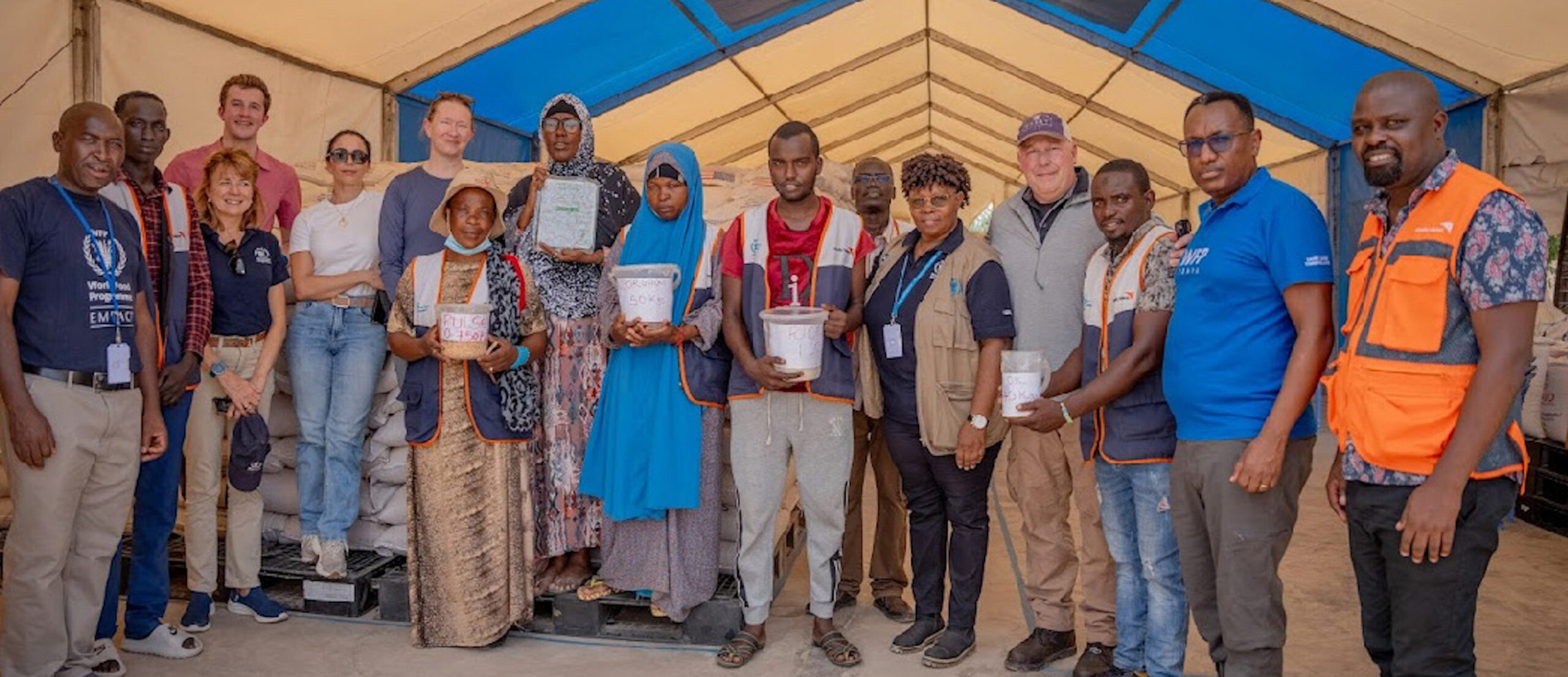
Members of the U.S. Wheat Associates (USW) Food Aid Working Group recently spent a week in Kenya to explore key logistical points and meet with partners on the receiving end of U.S. wheat donated to support Africa’s food assistance programs.
A short video on the trip can be viewed here.
A Wide-Ranging Journey
Included on the USW team’s packed itinerary:
- Visits to the Port of Mombasa and meetings with local flour millers and a vessel unloading company to get a better understanding of the current capacities for U.S. wheat imports.
- Meetings with partners such as USDA and the United Nations (UN) Food and Ag Organization to discuss recent changes that position food aid funding under USDA.
- Meetings with local Kenyan government officials and a tour of the Kakuma Refugee Camp to understand specifics of food aid distribution and processes.
- Meetings with various food aid stakeholders in Nairobi.
- Visit to the World Food Programme (WFP) warehousing system, including its global commodity management facility, which allows WFP to purchase U.S. products before country funding is identified.
Kenya is a ‘Stable Partner’
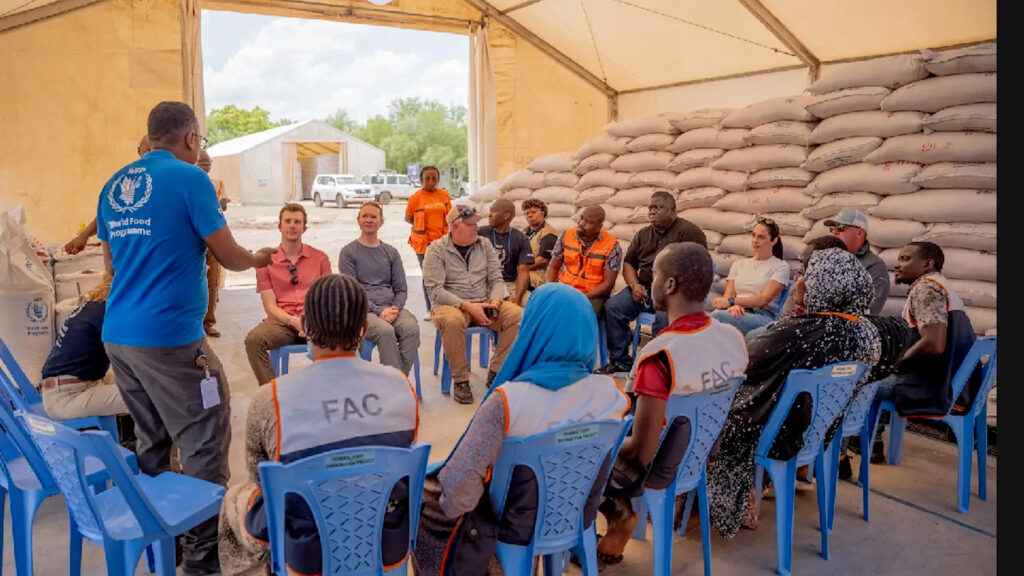
“Kenya provides a model for food distribution, with an established infrastructure, including use of biometrics for security,” reported Amanda Hoey, Chair of the Food Aid Working Group and CEO of the Oregon Wheat Commission. “The country is a stable partner and an entry point to serve regional food aid needs in surrounding countries. We wanted to have discussions about increased demands for food aid, get a closer look at how the systems are managing those demands and understand the challenges posed by limited resources so we can report back to the U.S. wheat industry.”
Joining Hoey on the trip were USW Director of Trade Policy Peter Laudeman, Kansas Wheat CEO Justin Gilpin, and Montana wheat farmer Keven Bradley. The team sought to analyze potential for U.S. wheat in the region – both in food aid programs and on the commercial side.
Wheat’s Important Role in Programs
Wheat makes up the largest portion of emergency food assistance managed by the Food for Peace program.
“Food for Peace and Food for Progress are key programs and policies that were originally started by U.S. farmers and still supported by U.S. farmers,” said Gilpin. “We are in an increasingly important environment right now with dynamic changes in policy, seeing the critical work that food aid provides for those who are in need. “We are also introducing our product into a market. Africa creates a unique opportunity where we can provide humanitarian assistance to those who are in need through food aid with wheat, specifically being a high priority food, but then ultimately building goodwill and develop a commercial partner.”
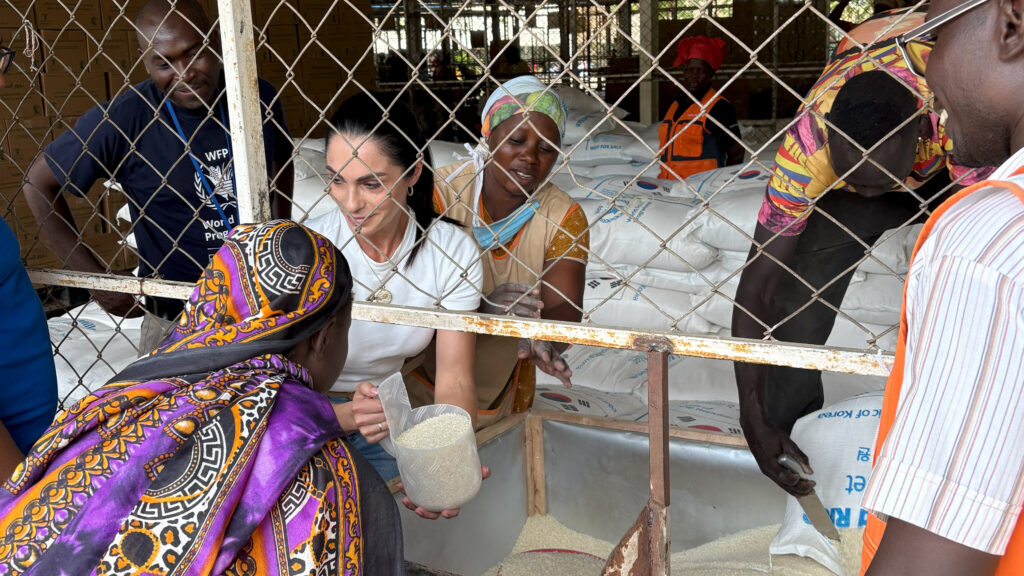
At the Kakuma Refugee Camp, which hosts about 300,000 refugees from a variety of countries across East and Central Africa, the team saw evidence of U.S. wheat’s value for food aid programs.
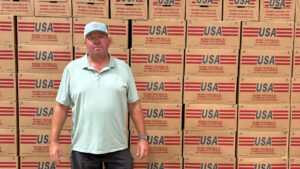
“Those people are benefiting from U.S. in-kind food donations,” Laudeman said. “What we saw more than anything is that there is a substantial need for more food in that camp. When I was at the same camp a year ago, they were at a 65% daily caloric need ration. This time around, they are only at 40% of what a daily caloric intake should be. And in the next couple of months, they are going to cut that down to 20%. So, resources are really, important to get moving here. We know we have wheat available in the United States.”
Officials Say More is Needed
The USW team met with WFP Kenya Country Director Lauren Landis, who was able to provide bigger picture of how strong the need is, not just in the refugee camp the team visited, but also across the country and the region.
“It was a really eye-opening experience for, not just me, but for the entire team,” Laudeman said.
In addition to all the stops made in Kenya, Laudeman and Gilpin traveled to Maseru, Lesotho, to get a look at the STEPS Food for Progress project run by Venture 37. That project focuses on building capacity for poultry systems within the country.