
Export Opportunities Await U.S. Wheat, But ‘It’s Complicated’

Before providing a simple and straightforward description of the global wheat and grain markets, Mike Krueger paused to consider a handful of variables facing importers, exporters and producers. Then he used a word that is opposite of simple and straightforward. “It’s complicated,” Krueger told those attending the 2022 U.S. Wheat Associates (USW) World Staff Conference […]
Wheat Facts from USDA’s Grain Stocks and Prospective Plantings Reports
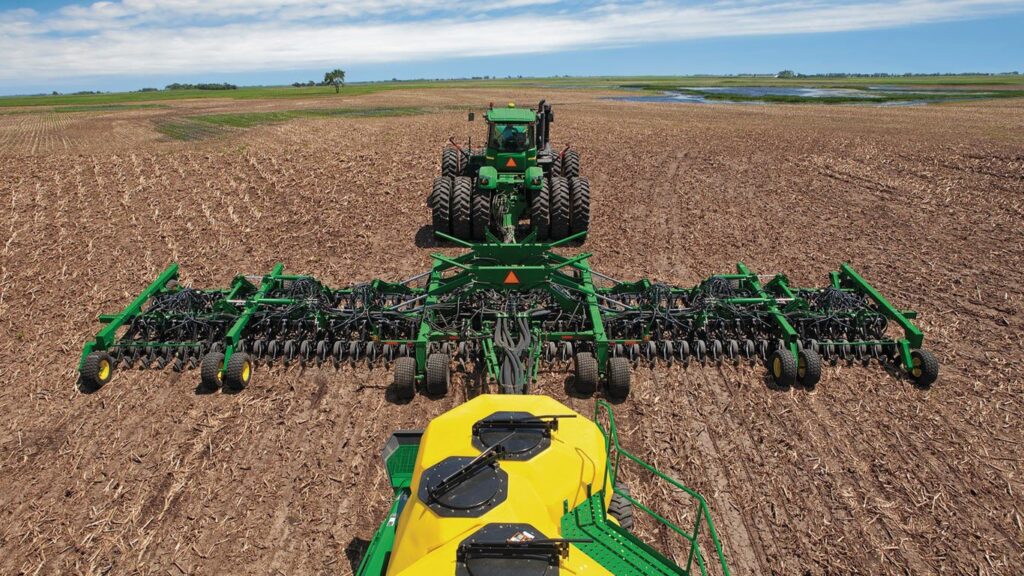
The USDA’s National Agricultural Statistics Service (NASS) released its latest Grain Stocks report and Prospective Plantings report March 31. The report echoed what many market analysts expected, tighter U.S. wheat stocks and higher planted winter wheat area. One significant exception was a slight decline in spring wheat planted area intentions compared to USDA’s previous prediction […]
USDA Reports Reflect Why U.S. Farmers Seeded More Winter Wheat
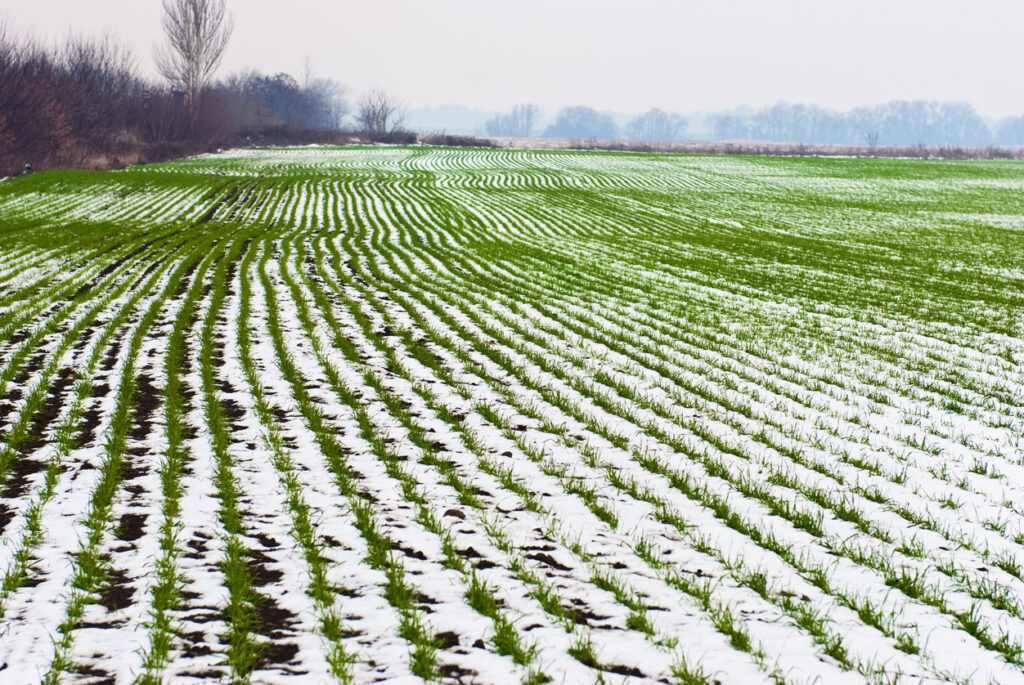
Last week, USDA released three reports giving some indication of what may be ahead for the 2022 global wheat market. Those USDA reports were the monthly World Agricultural Supply and Demand Estimates (WASDE) report, the quarterly Grain Stocks report, and the annual Winter Wheat Seedings report. Considering all three reports, U.S. Wheat Associates (USW) notes […]
Study the U.S. Wheat Export Supply System With Our Exclusive Map

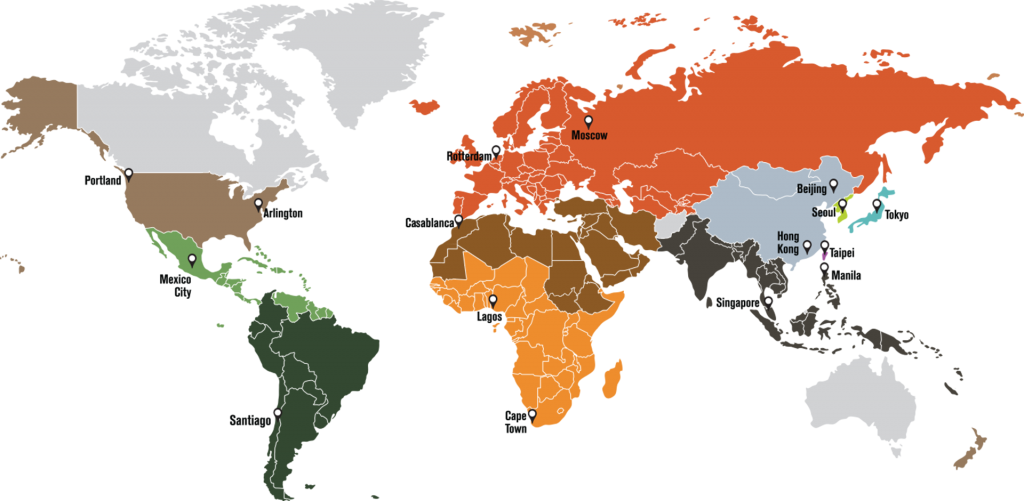
In 2020, U.S. Wheat Associates (USW) introduced the first digital map of the U.S. wheat export supply system as a visual planning tool for its overseas representatives and their customers. The “USW Wheat Export Supply System” map is posted here on the USW website and was built in cooperation with Heartland GIS using funds from […]
Checking the 2021/22 Global Wheat Crop Ahead of August WASDE Report
The effects of weather on the 2021/22 global wheat crop have sparked a run-up in prices even as harvest progresses in the Northern Hemisphere. Given the market’s supply concerns, U.S. Wheat Associates (USW) gathered information from major wheat exporting countries to see what may affect USDA’s next estimates of world supply and demand due on […]
World Wheat Market Factors to Watch in the New U.S. Marketing Year
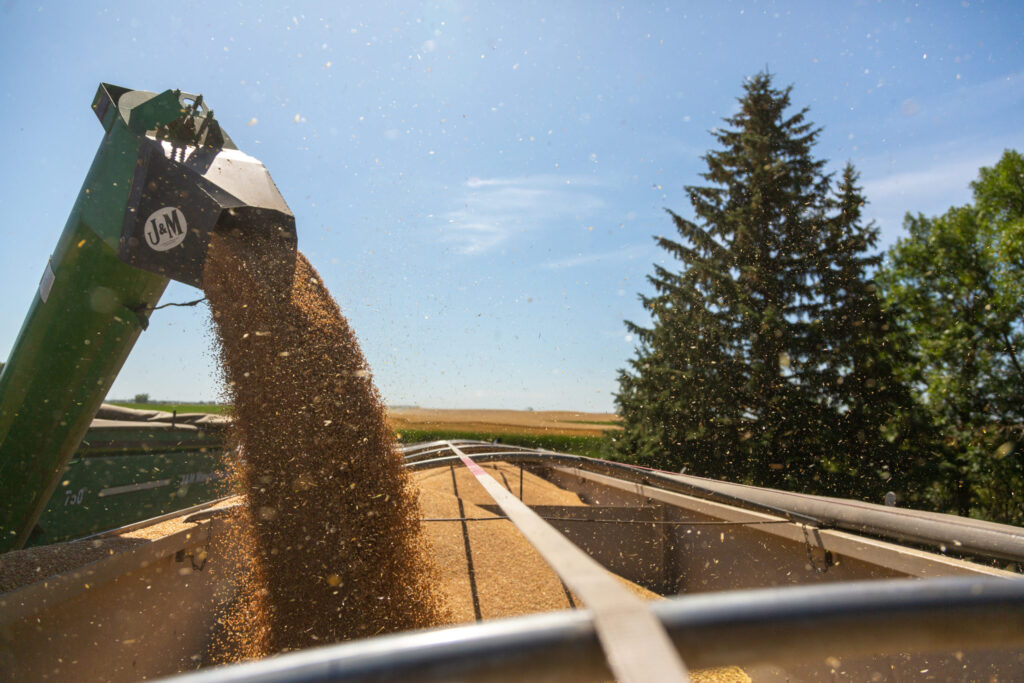
By Michael Anderson, USW Market Analyst The first predictions for global wheat supplies and demand in the new U.S. marketing year (June 1, 2021, to May 31, 2022) are in. Most estimates call for relatively stable world supplies in 2021/22. Only time will tell the real story, but U.S. Wheat Associates (USW) will be watching […]
U.S Wheat Associates Shares Winter 2021 Wheat Supply and Demand Outlook

The U.S. Wheat Associates (USW) Board of Directors includes wheat farmer leaders appointed to represent each of the 17 state wheat commissions that are members of USW and meets three times during each marketing year (June to May). For each of the meetings, the USW Market Analyst prepares a “Wheat Supply and Demand Outlook” report […]
World’s Farmers Outgrow Wheat Consumption Again

By Claire Hutchins, USW Market Analyst USDA pegs 2020/21 world wheat production at a record 773 million metric tons (MMT), up 1% from last year and 3% above the 5-year average of 721 MMT. Total global supplies are forecast to reach a record 1,072 MMT, 2% more than last year. USDA projects significantly higher production […]
Deadly Wildfires, Smoky Air Has Not Interrupted U.S. Wheat Exports

By Michael Anderson, USW Assistant Director, West Coast Office For the past several days, many wildfires across the western United States have left devastating damage and loss of life. Across the Pacific Northwest. Unusually high winds on Sept. 7 dramatically expanded the fires in Washington state and Oregon. While many of the fires have been […]
USDA Highlights Record Wheat Production, Demand and Ending Stocks
In its latest World Agricultural Supply and Demand Estimates (WASDE) report, USDA provided a look at what is shaping up to be another record year for wheat production, use and stock levels. Worth noting is the fact that USDA expects two traditionally non-exporting countries, China and India, will control more than 61% of the world’s […]