
U.S. Wheat Associates (USW) contributes success stories to the USDA Foreign Agricultural Service (FAS) to demonstrate the return on investment of market development programs, supporting continued federal funding for programs that identify, build and maintain international demand for all six classes of U.S. wheat.
The connections developed between large-scale poultry producers in Ecuador and U.S. farmers during a trade mission to Idaho and Oklahoma helped position U.S. wheat as a trusted choice for growing Ecuadorian demand for wheat, for use in both wheat foods and animal feed applications.
In July 2025, USW used Regional Agricultural Promotion Program (RAPP) funding to bring a team of key Ecuadorian feed industry leaders to the United States for an in-depth exploration of the U.S. grain supply chain. With logistical support from the Idaho Wheat Commission and the Oklahoma Wheat Commission, the trade mission included tours of major grain facilities, university research facilities, agronomy centers, and other stops in Idaho and Oklahoma. Throughout the mission, participants learned about the handling, storage, and other mechanisms that ensure consistent quality for U.S. wheat exports.
Three major Ecuadorian companies were represented on the team. For one key player in Ecuador’s feed industry, the trade mission was the participants’ first-time stepping foot in a U.S. wheat field, adding understanding of U.S. wheat production and strengthening commercial ties.
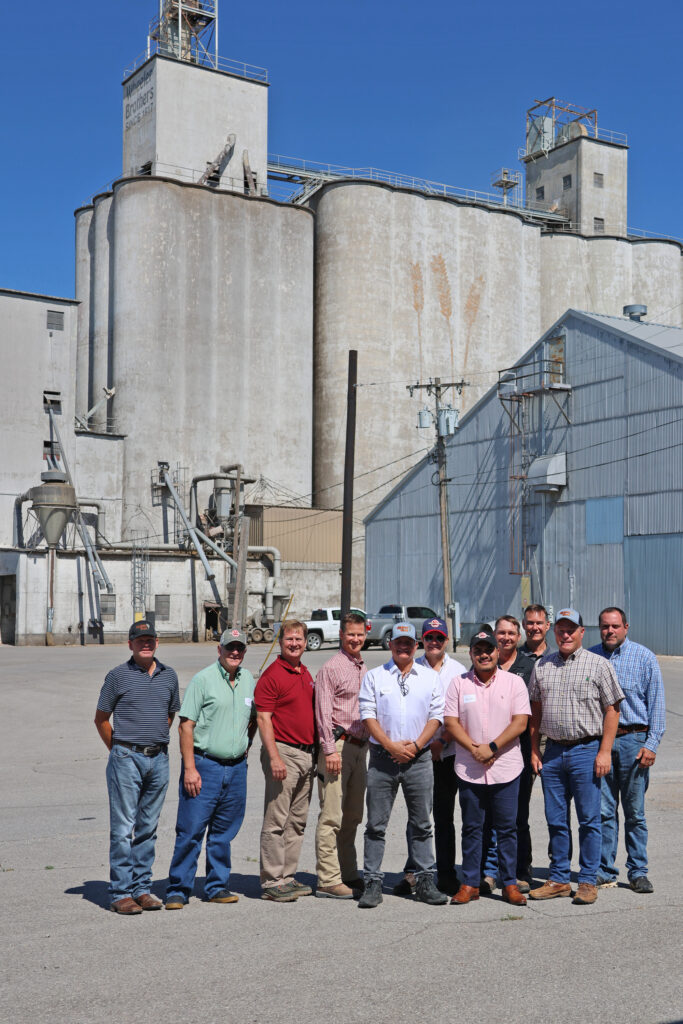
The Ecuadorian poultry sector representatives visited U.S. grain facilities as part of the July 2025 trade mission to Idaho and Oklahoma.
Wheat is an important ingredient in animal feed in Ecuador, where feed use accounts for more than half of total wheat demand. The poultry and shrimp sectors are the two largest feed users. Wheat competes directly with corn and other feed grains and is incorporated into feed formulations when relative price competitiveness and functional characteristics are favorable.
Feed wheat imports have grown substantially in recent years, representing 66% of total wheat imports in the 2025 calendar year. While a growing market, the Ecuador feed sector is highly competitive between the United States, Canada, Argentina, and Brazil.
The reliability, quality, and value of U.S. wheat make it a functional ingredient for both bread production and animal feed formulations. The team discussed the functional benefits of U.S. wheat for pelleting and extrusion, both used in animal feed processing, as well as how these classes improve end-product quality.
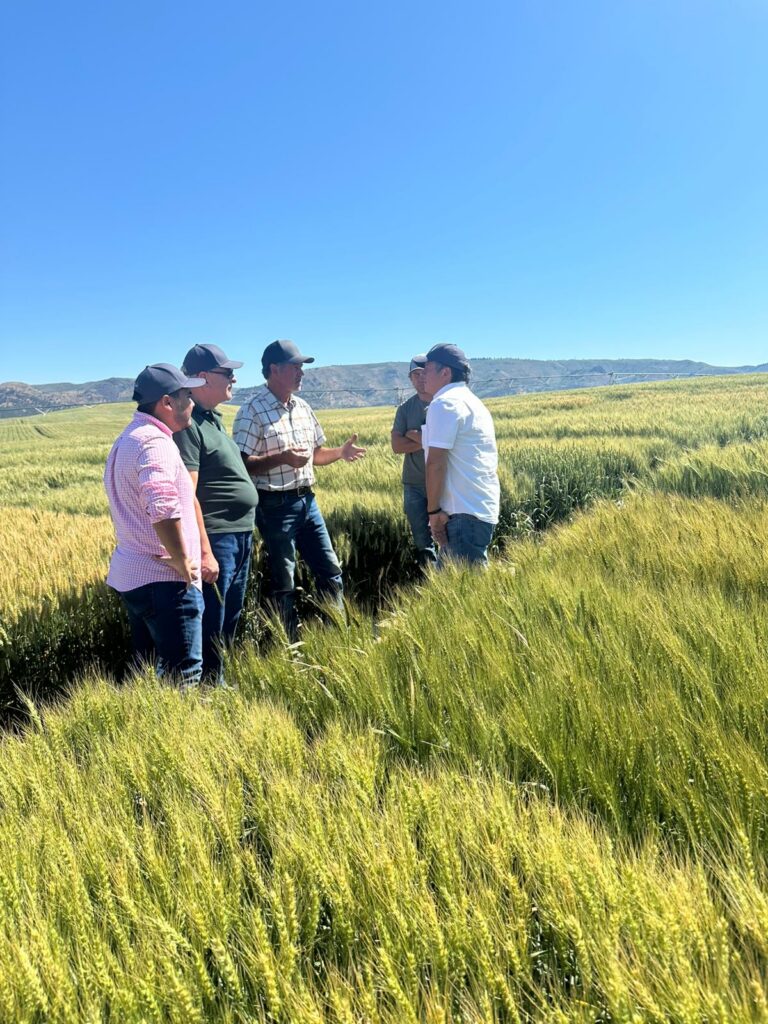
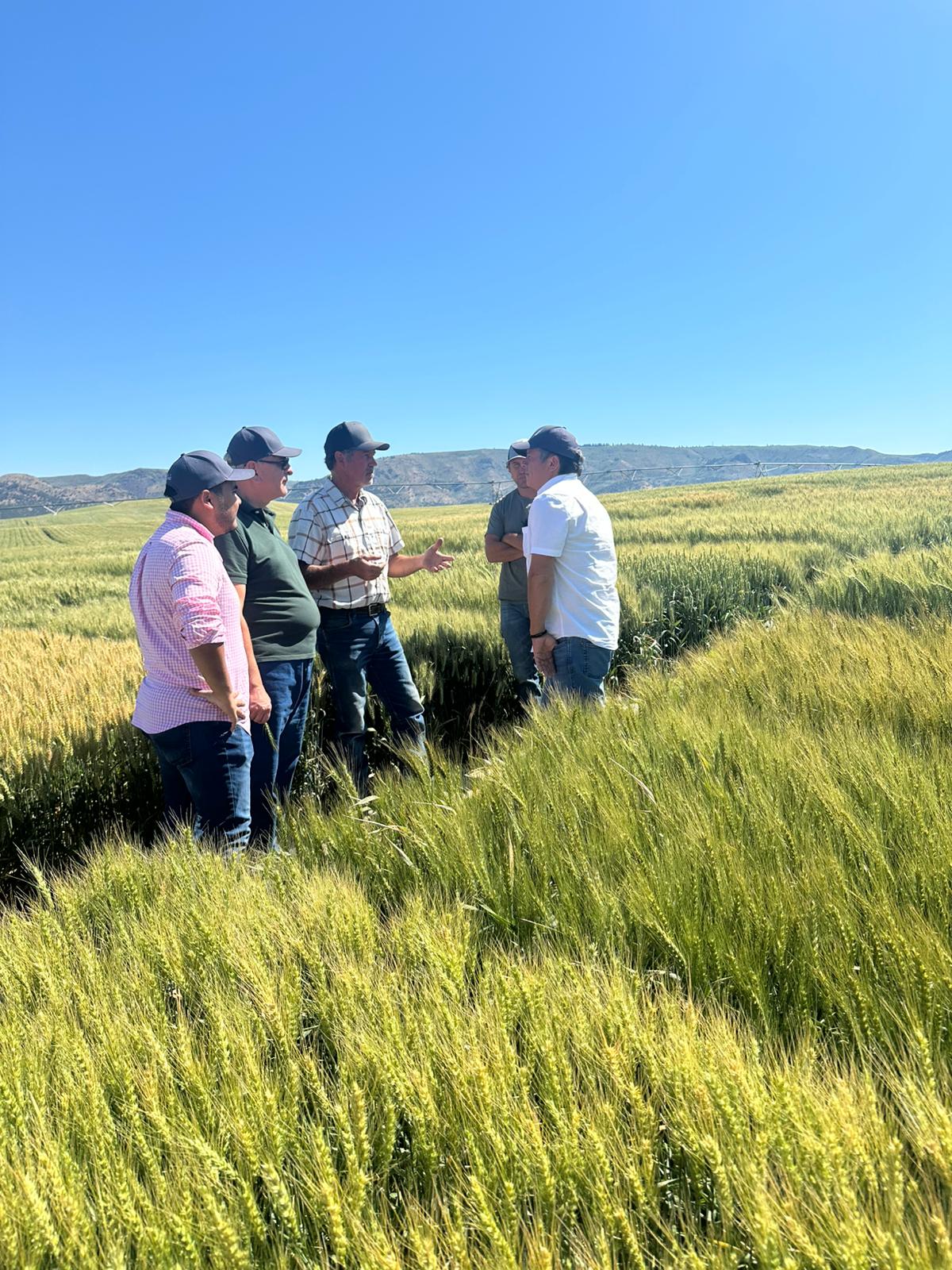
The July 2025 trade mission was the first time the Ecuadorian poultry sector participants had stepped foot in a wheat field, providing invaluable understanding of the U.S. wheat supply chain from start to finish.
The sum of all the team’s experiences helped strengthen the bond between U.S. wheat producers and Ecuadorian customers, establishing new contacts and renewing familiarity with the quality, reliability and logistical advantages of U.S. wheat.
Team members expressed strong confidence in the U.S. wheat supply chain and signaled intentions to expand imports. One company followed through with this declaration, purchasing three shipments (July 2025, September 2025, October 2025) of U.S. SRW wheat for use in poultry feed. Together, the shipments totaled nearly 90,000 MT of U.S. SRW wheat.
The purchases made following the trade team highlighted the company’s confidence in the quality and reliability of U.S. wheat. Ecuadorian poultry feed manufacturers value the consistency and homogeneity of U.S. wheat quality, reflected by the purchase of No. 2 grade wheat, the standard trading benchmark for international grain contracts for wheat foods. As a result, the company received a reliable, predictable feed ingredient that, when incorporated into their formulations, reduces variability in processing.
These purchases demonstrated the value of RAPP investments in creating commercial opportunities for U.S. agriculture, in this case, helping position U.S. wheat as a viable ingredient for large-scale poultry feed operations in Ecuador.