
Trading commodities is more than tracking the futures and cash price ticker in a global trade environment. Behind the numbers are decades of work by groups like U.S. Wheat Associates (USW) to build and maintain relationships between U.S. wheat farmers and their customers worldwide, who turn it into consumer products. These relationships matter greatly, especially in top markets like South Korea, where a USW leadership delegation recently traveled for an annual symposium with key grain buyers, flour millers and food manufacturers.
“Relationships, the kind where you take time and make personal connections, are becoming more valuable in an increasingly tech-heavy world, not less,” said Brian Liedl, USW vice president of overseas operations, who led the delegation. “These efforts allow the building of trust and open lines of communication. Our customers have a name, a face and a connection to turn to when they have a problem to solve or an opportunity to pursue.”
Connecting U.S. Wheat Farmers with Key Customers
Joining Liedl were Mike Carstensen, USW vice chairman and a wheat farmer from eastern Washington, and Casey Chumrau, CEO of the Washington Grain Commission. The symposium is an annual event that lets USW staff interact directly with grain buyers in a top five export market and discuss the world market. USW staff from Japan, Hong Kong and the Philippines also presented at the symposium to share trends from neighboring regional markets.
“South Korea’s rank as a top five market for U.S. wheat farmers has been earned by years of cooperation and a steady supply of high-quality U.S. wheat,” Liedl said. “This annual program allows us to continue the tradition of building a relationship that goes far beyond commercial terms.
“Bringing together the buyer and seller allows for our customers to discuss the challenges and opportunities in the wheat market. This direct exchange of information provides actionable feedback to our wheat growers and breeders, while also providing insights about food trends and opportunities for growth in one of our farmers’ largest markets.”
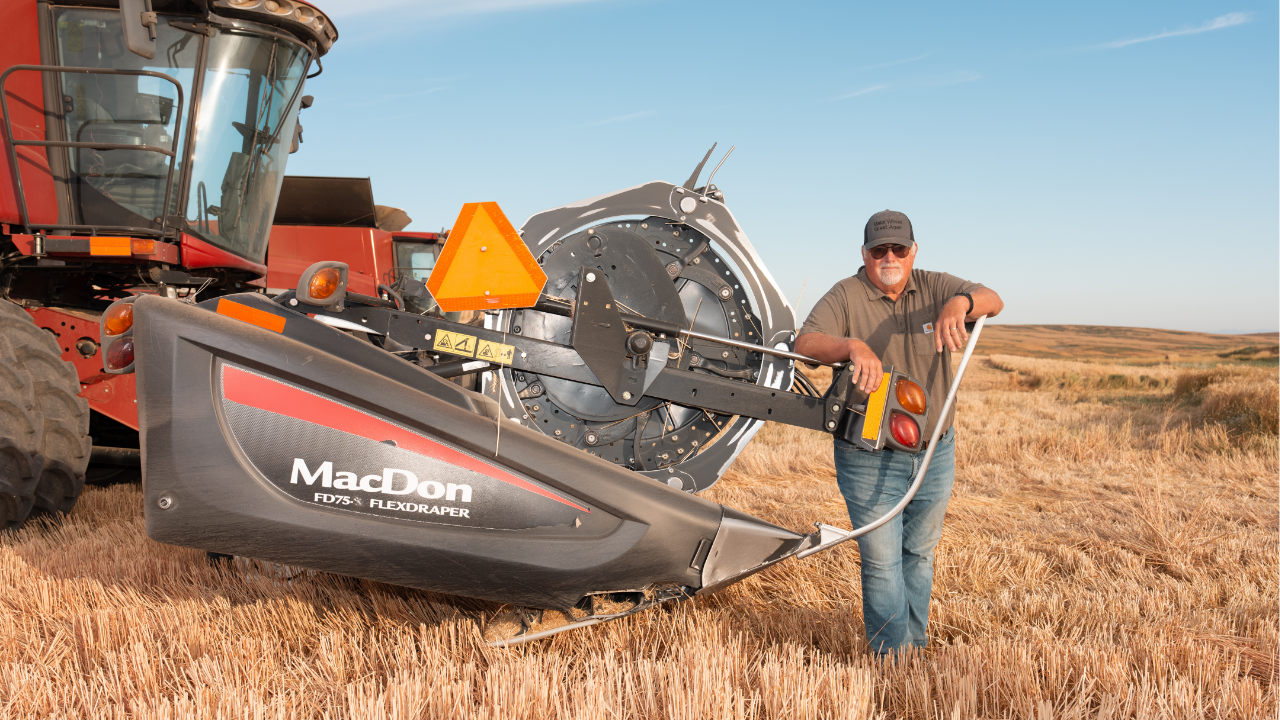
Carstensen and Chumrau’s presentations, sharing their views from U.S. production, were another highlight of the program. Carstensen began by sharing a photo of the South Korean trade team that visited his farm in Lincoln County, Washington, this summer, inviting everyone in attendance to do the same. He walked through a year of growing wheat on his farm, including the challenges from weather, equipment and more, as well as the joy of farming with his son.
“South Korea has been a dependable, valued market for U.S. wheat for decades, and that relationship reaches all the way down to farm families and small towns in eastern Washington,” Carstensen said. “We are committed to dependable quality, to farming responsibly, and to leaving our land better than we found it. From our family farm to your customers — thank you for your trust.”
In addition to the symposium, the delegation visited with key partners in the South Korean market, including a major flour mill, a diversified food and bakery procurement group and the Korea Baking School.
“U.S. Wheat has built incredibly strong relationships in the Korean market for more than 50 years,” Liedl said. “All three parts of this market – flour mills, consumer product manufacturers and educators – are necessary partners to make sure we are delivering on the promise of U.S. wheat as the most reliable source of high-quality wheat in the world to a very discerning market like South Korea.”
After the delegation’s mission to South Korea, the group is continuing to China, where they will meet with grain buyers, flour millers and the Sino-American Baking School (SABS).