
The arrival of U.S. wheat into Bangladesh’s main port in Chattogram represent success for U.S. wheat farmers in one of the world’s fastest-growing wheat markets. Back in Washington, DC, the farmer leaders of U.S. Wheat Associates (USW) expressed their appreciation to the Bangladesh government for the country’s kept promises for expanded trade and interest in partnering together to optimize U.S. wheat purchases for high-quality wheat foods for Bangladeshi consumers.
“I’ve seen firsthand the opportunity that is there for increasing wheat consumption in Bangladesh and am familiar with the quality needs of one of the largest South Asian wheat markets,” said Mike Spier, USW president and CEO. “With more and more demand for wheat foods and a rising export market for wheat food products, Bangladesh is a really good fit for our farmers.”
At the heart of these two events is the Memorandum of Understanding (MOU) signed in July 2025 between USW and the Government of Bangladesh, which committed Bangladesh to annual purchases of 700,000 metric tons (25.7 million bushels) of U.S. wheat for five years.
Bangladesh has made good on that commitment, rising from a swing buyer to the eighth largest market for U.S. wheat in the 2025/2026 marketing year. As of January 22, 2026, Bangladesh has purchased nearly 675,000 MT (24.8 million bushels) of U.S. wheat.
Celebrating Promises Kept in Chattogram
U.S. wheat purchased under the MOU arrived in Bangladesh on January 26with U.S. and Bangladesh government officials on hand as the MV Clipper Isadora was unloaded at the port of Chattogram.
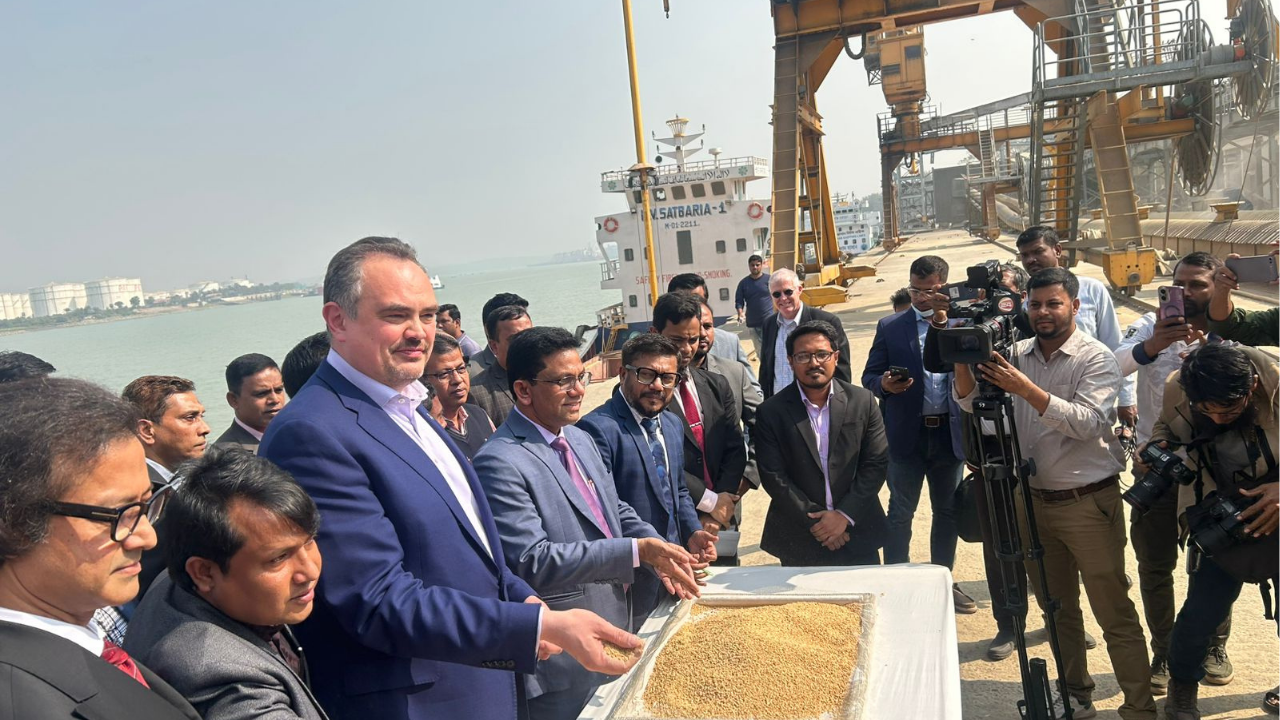
“Bangladesh has long been a valued partner and beneficiary of U.S. agricultural exports, and today’s shipment marks a milestone in our growing trade relationship,” noted U.S. Ambassador to Bangladesh Brent T. Christensen, who was part of the delegation that gathered to inspect the cargo. Chittagong Port Authority Chairman Rear Admiral SM Moniruzzaman and Food Secretary Md Firoz Sarker also participated in the port-side celebration of the shipment’s arrival.
Carrying 57,203 MT (2.1 million bushels) of wheat, the shipment is one of three that departed the United States in December from ports in both the Pacific Northwest and the Gulf. Together, the shipments included 114,790 MT (4.22 million bushels) of U.S. Soft White (SW) wheat and 58,359 MT (2.14 million bushels) of U.S. Hard Red Winter (HRW) wheat.
“The quality of the U.S. wheat received so far has been very good, with protein content of around 14 percent,” Sarker said. “In the future, we will import more wheat from the United States to ensure national food security.”
Promising Joint Efforts to Further Expand Trade in Washington
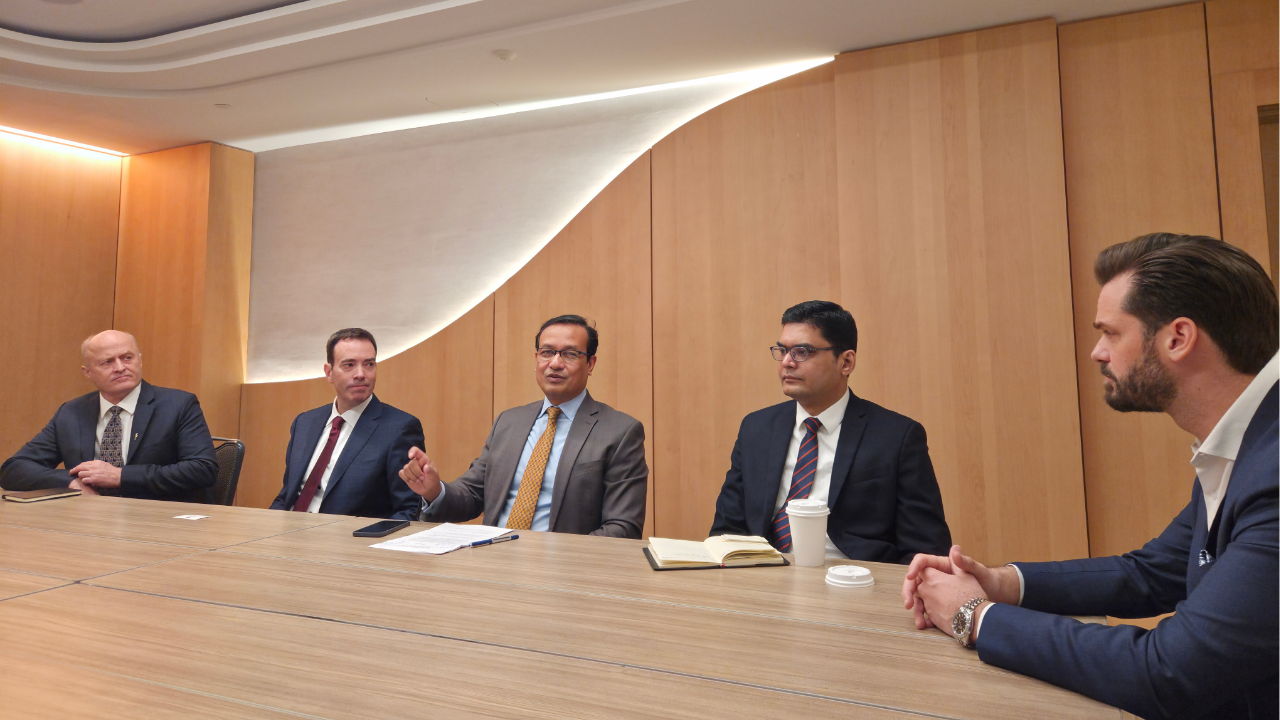
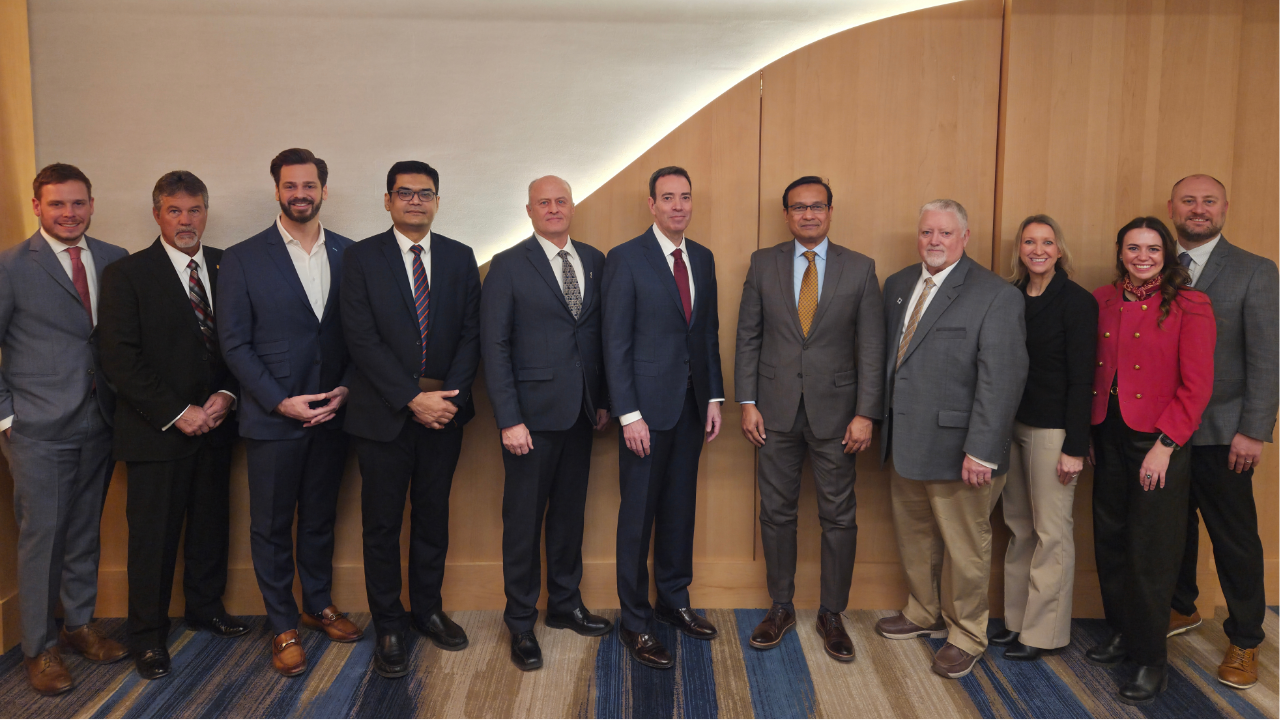
While wheat was being unloaded in Bangladesh, American wheat leaders and USW staff continued their diplomatic work to build the trade relationship between the two countries. During the 2026 Joint USW/NAWG Winter Board Meeting in Washington, DC, USW officers and staff met with Bangladesh Ambassador Tareq Md Ariful Islam to discuss a shared vision of a successful trade relationship.
Ambassador Islam laid out a compelling case for why Bangladesh is making moves to become a long-term trading partner with U.S. farmers. With a population of almost 180 million people living in a country roughly the size of the state of New York, Bangladesh is the one of the world’s largest importers of food products, including wheat. Demand for wheat foods is increasing, driven by growing purchasing power and changing dietary preferences among the younger generation.
“If our buyers want to have a continuous and sustainable supply chain, the United States could be the most trusted one,” Ambassador Islam said. “Our buyers back home have to be convinced to buy more wheat from the United States.”
Pledging Technical Assistance to Help Optimize Bangladesh Wheat Imports
Beyond tracking commercial sales numbers and putting bushels on boats, USW pledged during the meetings to provide technical assistance to Bangladeshi millers and bakers as they incorporate the newly purchased U.S. wheat into their operations.
Joe Bippert, USW regional director for South and Southeast Asia, joined the meeting with the Bangladeshi ambassador to share how USW supports purchases of U.S. wheat through hands-on consultations and in-country projects focused on U.S. wheat quality.
“There’s price, and then there’s value,” Bippert said. “Part of what we do is to bring in technical experts to help Bangladeshi millers and bakers get more value out of their purchases, which ultimately helps them produce better products to sell to their consumers.”
USW officers also expressed their appreciation for the business and invited the Bangladesh delegation to visit their farming operations.
As the meeting concluded, the work is far from done, but one sentiment rang clear: the MOU signed last July was more than a promise made, but a bridge to a new trade relationship between the United States and Bangladesh.
“I am very confident that with our team in place in South and Southeast Asia, we will continue finding ways that we can work together with our new partners in Bangladesh,” Spier said. “On behalf of our growers, we look forward to the opportunity to continue supporting the growth of this supply chain.”